Visit Peru in June
In June, Peru’s tourist attractions become even more appealing, as visitors can not only explore archaeological, historical, and natural sites, but also enjoy cultural experiences that add even greater value to their trip.
Although Cusco may seem like the focal point of this month, there are many other destinations to discover. There are plenty of options in the north, central, and southern regions of the country. If you have already visited Cusco and Machu Picchu, and Peru is one of your favorite vacation destinations, here are more places you can explore.
The Inti Raymi Celebration in Cusco
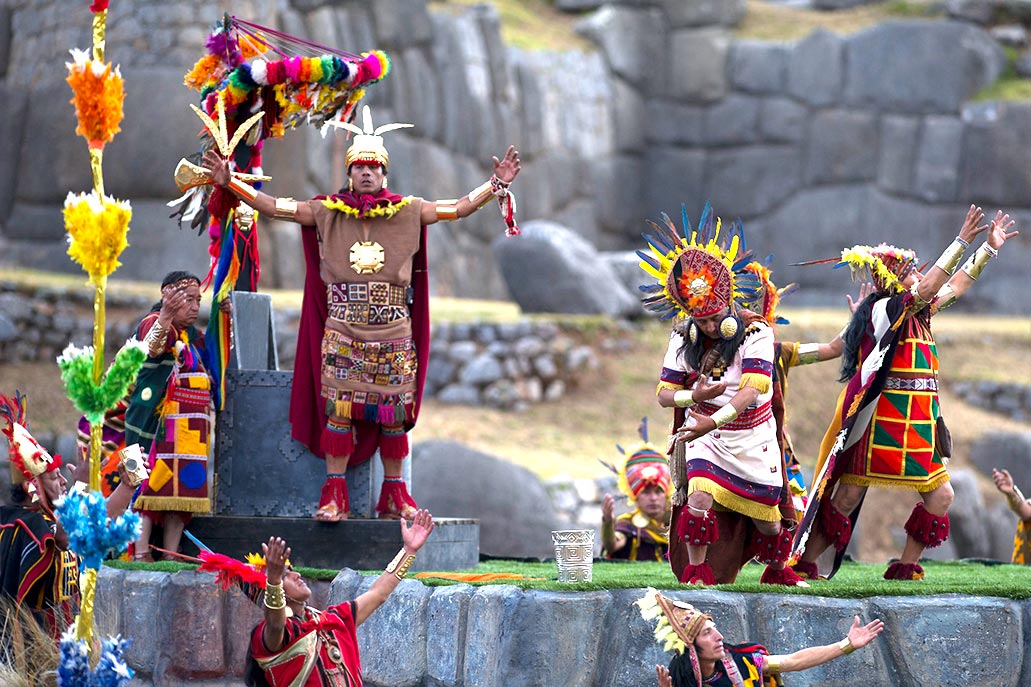
- Inti Raymi (Festival of the Sun) was considered the most important celebration in Inca culture, honoring their principal deity, the Sun. The date on which it was held was especially significant because it coincided with the winter solstice, when the sun was farthest from the earth.
- Through numerous ceremonies and rituals, the Incas sought the Sun’s blessing for both the prosperity of the land and the well-being of the Tahuantinsuyo Empire.
- Today, this festival is commemorated every June 24 in Cusco, coinciding with the city’s anniversary. Both occasions fill Cusco with celebrations and festivities throughout the month.
- This festival has three main stages (Qoricancha, Plaza de Armas, and Sacsayhuamán). To experience it up close, tickets must be reserved in advance. Discover the three seating options for the main Inti Raymi performance.
- Another great advantage of visiting in June is the excellent weather, with clear skies and sunny days, making it ideal for exploring attractions and enjoying outdoor activities.
- Remember that in Cusco you can enjoy a variety of activities, including adventure sports such as hiking, cycling, rafting, and more. A particularly attractive option, if you have already visited Machu Picchu, is the trek to Choquequirao—an adventure destination that leads to an archaeological site remarkably similar to the Wonder of the World.
The Three Inti Raymi Venues in Cusco | |
|---|---|
| Qoricancha, the Temple of the Sun | Qoricancha, formerly known as the Temple of the Sun (Inti Cancha), was the most important religious site in the entire Tahuantinsuyo Empire. This temple features some of the finest and most perfectly crafted walls of Inca architecture. The esplanade of this complex serves as the stage for the first Inti Raymi performance, where the Inca asks for the Sun’s blessing to begin the celebration. |
| Plaza de Armas, the Haucaypata | During the Inca era, the Plaza de Armas was up to five times larger and was known as Haucaypata, which in Quechua means “place of lamentation.” It was the setting for the most important civic, military, and religious ceremonies in Cusco, the capital of the Inca Empire. The city’s main temples and palaces surrounded the square. However, after the arrival of the Spanish in the 16th century, these structures were destroyed and replaced with churches and colonial mansions. Today, Haucaypata serves as the stage for the second Inti Raymi performance. |
| Sacsayhuamán, the Inca Fortress | Sacsayhuamán is one of the most impressive archaeological sites of the Inca civilization. It was a religious complex that also served as a fortress during the battles between the Spanish and the Incas for control of Cusco. It is located in the upper part of the city, just 1 kilometer uphill from the historic center. It is famous for its enormous stone walls, expertly carved and perfectly fitted together. Some of the stones weigh up to 120 tons. In the 16th century, part of Sacsayhuamán was dismantled by the Spanish to build colonial structures such as the present-day Cusco Cathedral. Today, Sacsayhuamán is the main venue for Inti Raymi every June 24. Admission to this spectacle requires a ticket, and full-day experiences are also available. |
The San Juan Festival
- In June, there are many opportunities to visit the Amazon region, and under a shared celebration, all regions of the Peruvian Amazon come alive on June 24 to celebrate the San Juan Festival.
- This festival originated during the colonial era, when a group of missionaries chose Saint John as the patron saint of the Amazon. Today, it is celebrated as a symbol of purification, life, and the strength of nature, with water as its central element, since festivities are traditionally held along riverbanks.
- Over time, the celebration evolved. Initially, it consisted of religious ceremonies and small gatherings among missionaries. As local communities became more involved, they transformed the event into a vibrant festival filled with music, dancing, and colorful traditions.
- Each region of the Amazon celebrates in its own unique way. From Manu to Loreto, the entire eastern region of Peru enjoys this spectacular festival. In some areas, celebrations begin two days earlier or continue for several days afterward.
The Central Jungle Is Also Celebrating
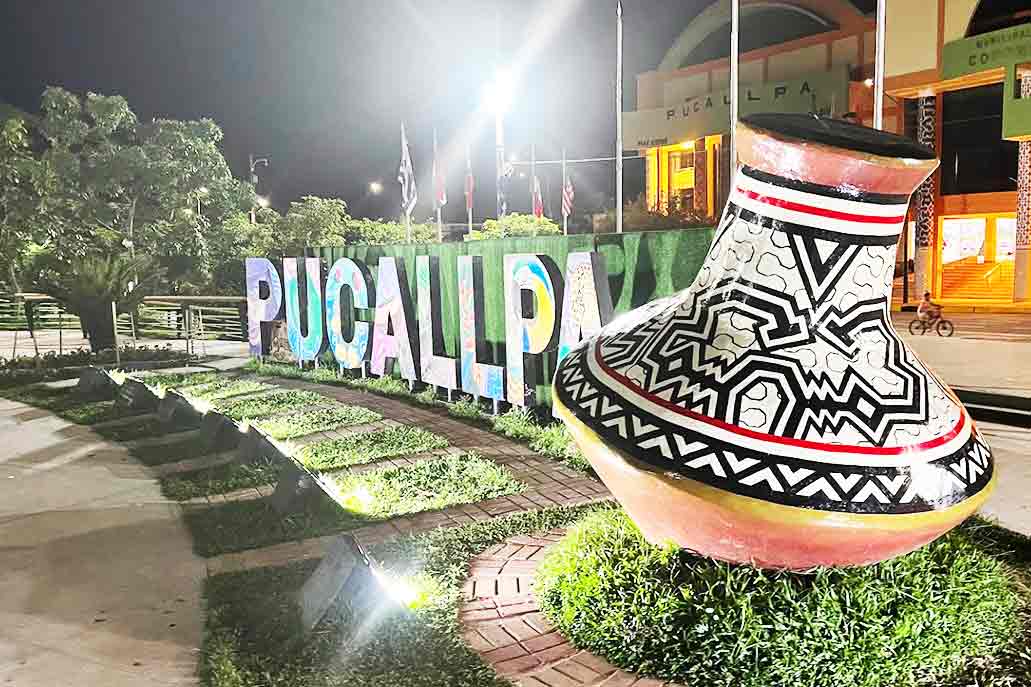
- Days before Inti Raymi, other regions in central Peru host various cultural celebrations, such as the festival held in Huancaní, in the province of Jauja, Junín Region. For three days, local residents take to the streets to sing and dance in honor of the town’s patron saint.
- In addition, the Ucayali Region hosts the renowned Chullachaqui Festival. Celebrated on June 19, this event showcases the best of the region’s culture, tourism, gastronomy, and artistic traditions.
- On the nights leading up to the festival, visitors can participate in spiritual experiences guided by respected local shamans, who lead participants through ceremonies focused on personal reflection and renewal. There are also traditional costume competitions, engraving and sculpture contests, and many other activities that highlight the region’s cultural heritage.
National Ceviche Day
June is also the month when Peru celebrates National Ceviche Day, honoring the country’s most iconic dish. You can enjoy ceviche almost anywhere in Peru, although the coastal regions are generally considered the best places to try it. Every trip is an opportunity to experience local cuisine, and Peru offers exceptional gastronomic experiences in every region.
Lesser-Known Historic Sites in Peru
- June is the perfect month to visit Peru’s most iconic destinations, such as Machu Picchu, the Sacred Valley, Rainbow Mountain, Colca Canyon, the Nazca Lines, the Huacachina Oasis, Lake Titicaca, and the Amazon rainforest.
- If you’re looking for lesser-known destinations, there are plenty of remarkable places waiting to surprise you. Among the most significant historical sites are those that once formed part of the ancient Inca Empire of Tahuantinsuyo. The empire was not limited to Cusco—it stretched from northern Chile and Argentina to southern Colombia. As a result, impressive Inca structures can be found throughout these vast regions.
- Among all these territories, two regions stand out for their diversity of attractions and archaeological treasures. The sites mentioned below can be visited year-round, but they are especially worth highlighting during Cusco’s June festivities.
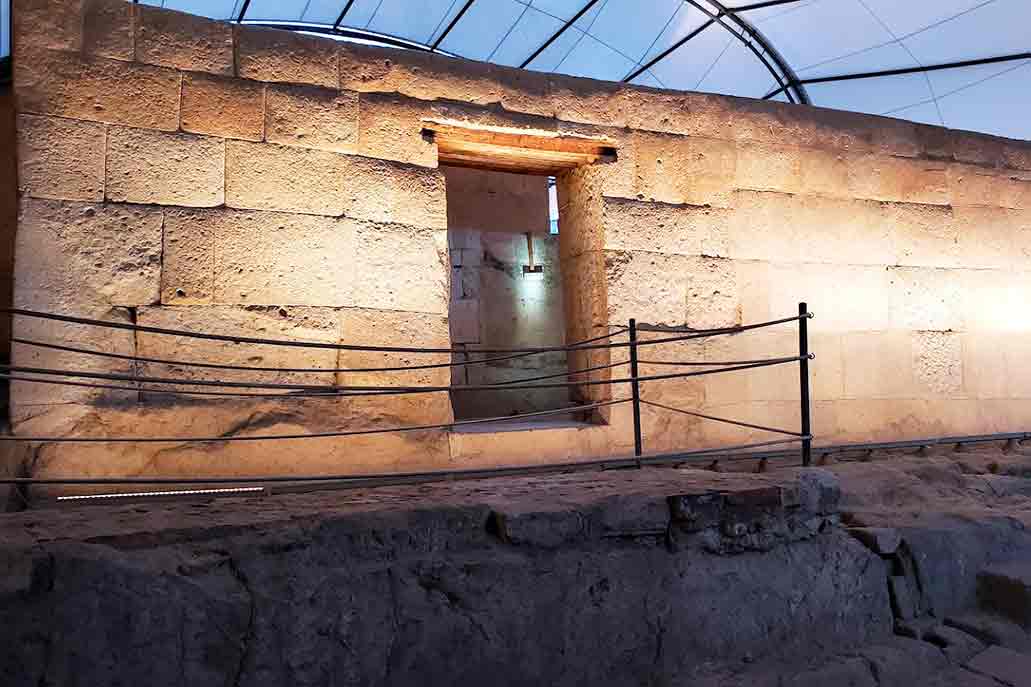
- The first region is Cajamarca, where one of the last rulers of Tahuantinsuyo, Atahualpa, was held captive. According to historical accounts and chronicles, the Inca was staying at the present-day Baños del Inca in Cajamarca when the Spanish attempted to contact him. After negotiations failed, he was captured. In exchange for his release, Atahualpa offered to fill a room with gold and silver. Today, this site is known as the Ransom Room of Atahualpa, which is preserved as a museum house.
- About a six-hour drive from Cajamarca, visitors can reach the highlands of Piura. In this area lies the important archaeological site of Aypate, which played a key role in the expansion of Inca rule. The site features structures similar to those found in Cusco, particularly its finely carved stone walls. Visitors can also clearly see sections of the Inca Trail network that remain in excellent condition. This was one of the main routes used to rapidly spread news of Atahualpa’s capture throughout the empire.
During June, travel to Peru becomes increasingly popular, especially in the city of Cusco. If you are planning a trip to Peru in June, be sure to book tickets and tour packages in advance. There are also excellent travel options in the northern and central regions of the country, where reservations may not need to be made as far ahead of time. However, it is always a good idea to check availability and make reservations through MachupicchuTerra in advance.
New Year Celebrations in Cusco
Inti Raymi, or the Festival of the Sun, was considered a special date in Andean tradition because it coincides with the winter solstice. It marked the beginning of the earth’s renewal before the start of the planting season. The agricultural importance of Andean culture gave rise to this celebration. Every June 24, Cusco hosts various events commemorating this important date, with Inti Raymi being the most significant. It is also seen as the triumph of the sun over the rainy season and is regarded as the Andean agricultural New Year.
June is the ideal month to visit all of Cusco’s archaeological and historical sites. The weather is excellent, and numerous cultural activities take place throughout the month. Today, Inti Raymi brings together more than 800 performers who recreate the ancient ceremonies of the Inca era. Be sure to explore our blog for more information about everything you can do in Cusco.
Remember that from Cusco you can enjoy a variety of activities, including adventure sports such as hiking, cycling, rafting, and more. If you are unable to visit Machu Picchu due to the high demand for reservations, a great alternative is a trek to Choquequirao, a destination visited by relatively few travelers and one that requires greater effort to reach. Choquequirao is often considered the sister city of Machu Picchu.