How to Prepare for High Altitude in Cusco: Tips
Cusco is located more than 3,300 meters above sea level, so travelers arriving from lower altitudes may experience some discomfort as their bodies adjust to lower oxygen availability. The condition commonly known as “altitude sickness” can cause headaches, fatigue, dizziness, or nausea, especially during the first few days. Good trip planning and gradual acclimatization can help you enjoy Cusco and its main attractions more comfortably.
Contents
- Why can altitude affect travelers in Cusco?
- What are the symptoms of altitude sickness?
- How to acclimatize upon arriving in Cusco
- What to do during your first day in Cusco
- Food and hydration during acclimatization
- What activities to avoid during the first few days
- Altitude of Cusco and other tourist destinations
- When should you seek medical attention?
- Frequently asked questions
Why can altitude affect travelers in Cusco?
Cusco is located approximately 3,399 meters above sea level, an elevation considerably higher than that of many cities travelers come from. At this altitude, atmospheric pressure is lower, and the body receives less oxygen than it does at sea level.
The body needs time to adjust to these new conditions. This process is known as acclimatization and can vary from person to person. Even people who are physically fit may experience symptoms of altitude sickness, as fitness alone does not determine the risk.
The risk increases when a person travels quickly from a low-altitude area to a city located above 2,500 meters. For this reason, flying to Cusco from a city near sea level can be more demanding on the body than making a gradual ascent.
What are the symptoms of altitude sickness?
Altitude sickness, also known as soroche or acute mountain sickness, can occur after arriving at a high-altitude area. The most common symptoms include:
- Headache.
- Fatigue or weakness.
- Dizziness.
- Nausea or loss of appetite.
- Difficulty sleeping.
- Shortness of breath during physical exertion.
Symptoms are usually mild and may improve as the body adjusts to the altitude. However, you should not continue ascending if your symptoms worsen.
An important recommendation is to not ignore symptoms thinking they are simply a normal part of the trip. If you experience discomfort, you should rest and avoid activities at higher altitudes until you feel better.
How to acclimatize upon arriving in Cusco
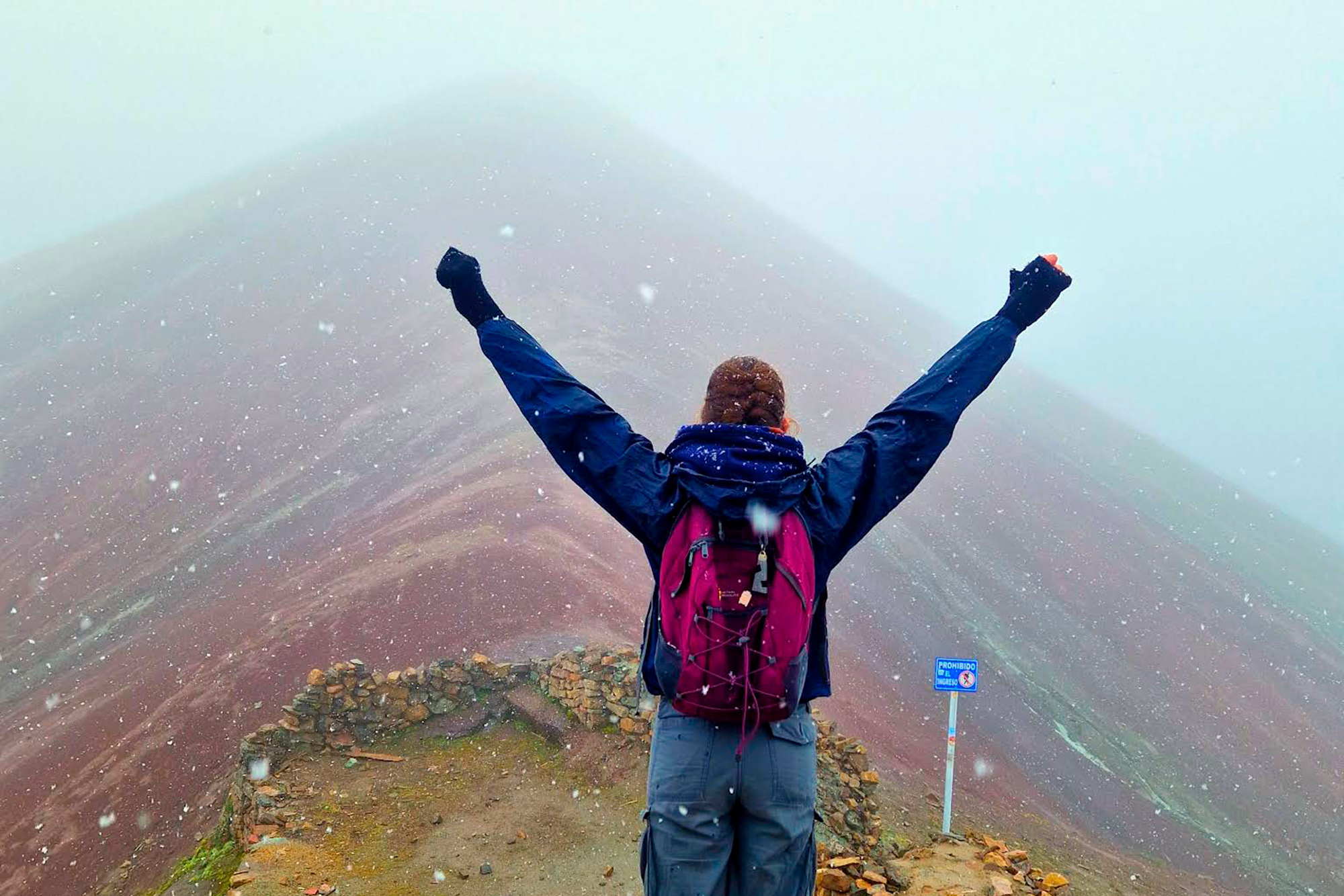
Acclimatization is one of the most important factors in reducing altitude-related discomfort. The process varies from person to person, but the first few days are especially important.
If possible, plan your itinerary so that you can rest after arriving in Cusco before taking on strenuous excursions. Acute acclimatization occurs mainly during the first few days after ascending to a higher altitude.
Some helpful recommendations include:
- Rest for the first few hours after arriving.
- Avoid strenuous exercise right away.
- Do not schedule a demanding hike for the day you arrive.
- Gradually increase the intensity of your activities.
- Avoid ascending to higher altitudes while experiencing symptoms.
- If your itinerary allows, set aside the first few days for relaxing activities.
The general recommendation when traveling to high altitudes is to ascend gradually whenever possible. When this is not feasible, it is especially important to give your body time to adjust before taking on strenuous activities.
What to do during your first day in Cusco
Your first day can be a good opportunity to explore Cusco without putting too much strain on your body. Instead of going on a several-hour excursion, you can choose relaxing activities within the city.
One option is to take a stroll through the Historic Center, visit the Plaza de Armas, or explore some nearby streets. You can also rest at your hotel and go out later for a light meal.
There is no need to stay indoors at your accommodation all day. The best approach is to take things slowly and pay attention to how your body responds to the altitude.
If you feel well after several hours, you can take short walks around nearby areas. If you experience a severe headache, dizziness, or nausea, it is best to reduce your activity and rest.
Food and Hydration During Acclimatization
Maintaining a balanced diet and drinking fluids regularly are part of good travel preparation. During the first few days, it is important to stay hydrated and avoid excesses that could make it harder for your body to adjust.
It is also recommended to avoid alcohol during the first 48 hours at high altitude. Medical recommendations for travelers to high-altitude destinations also advise limiting strenuous exercise during this period.
You can opt for light, balanced meals during your first few days in Cusco. If you have a reduced appetite due to the altitude, divide your meals into smaller portions throughout the day.
It is important to remember that drinking water alone does not prevent altitude sickness. Staying hydrated is part of overall preparation, but the key measure is allowing your body to acclimatize gradually.
What Activities to Avoid During the First Few Days
One of the most common mistakes is trying to do too many activities immediately after arriving in Cusco. The city is already at a high altitude, and many of its main attractions are located even higher.
During the first 24 to 48 hours, it is recommended to avoid activities that require significant physical effort, especially if you are still experiencing symptoms of altitude sickness. Medical recommendations advise doing only light exercise during the first 48 hours.
For example, it is best not to schedule the following immediately after arriving:
- Long and strenuous hikes.
- Ascents to high-altitude mountains.
- Several-hour trekking excursions.
- Excursions involving significant elevation changes.
- Days packed with multiple activities.
If your trip includes destinations such as Rainbow Mountain or trekking routes, it is better to plan them after you have had enough time to acclimatize.
Altitude of Cusco and Other Tourist Destinations
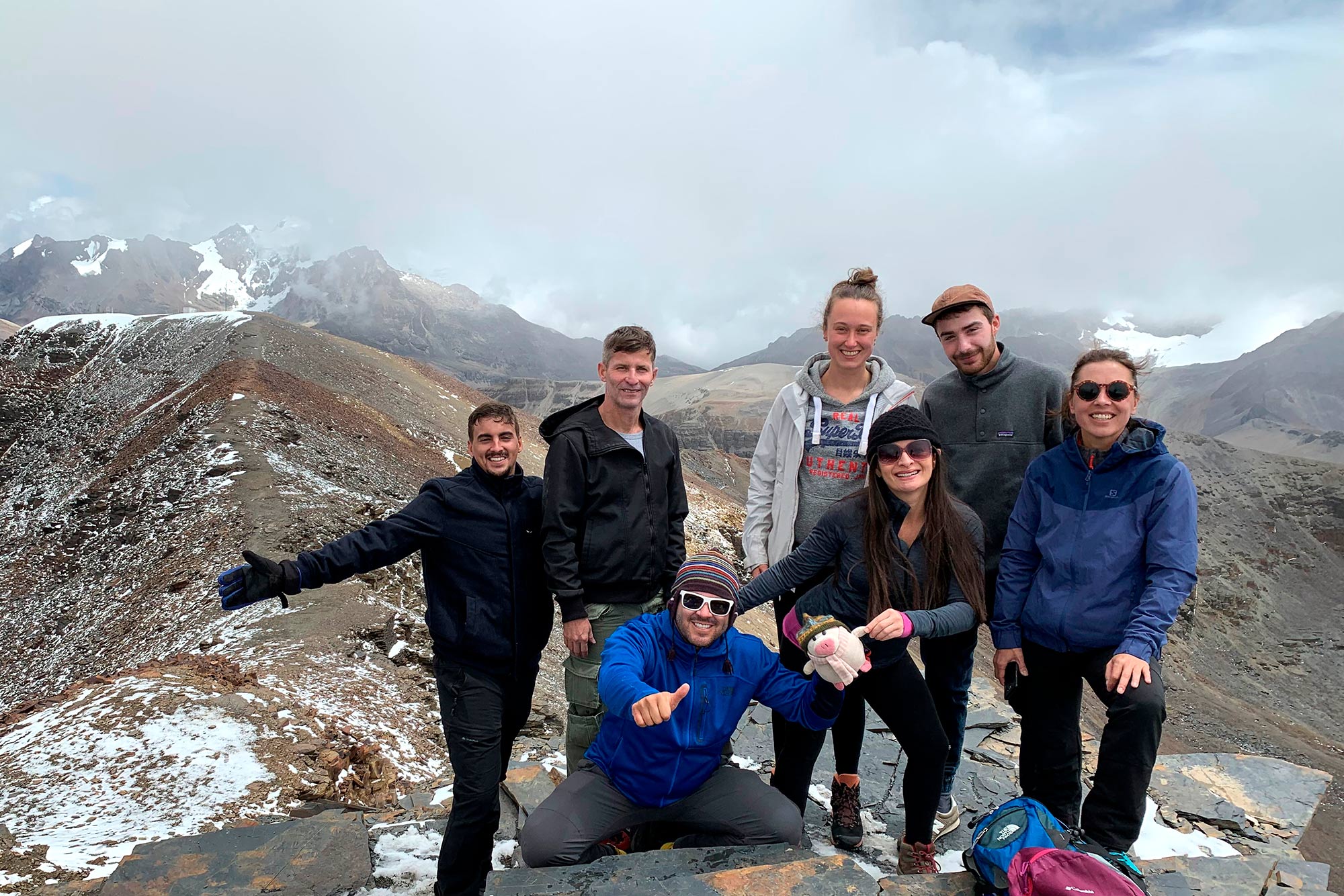
Cusco is not the only place where you need to consider altitude. Some popular excursions reach considerably higher elevations, so it is important to keep this in mind when planning your itinerary.
Destination | Approximate Altitude | Recommendation |
|---|---|---|
| Cusco | 3,399 m above sea level | Acclimatize before engaging in strenuous activities. |
| Sacred Valley | Variable | It can be a good alternative for less strenuous activities. |
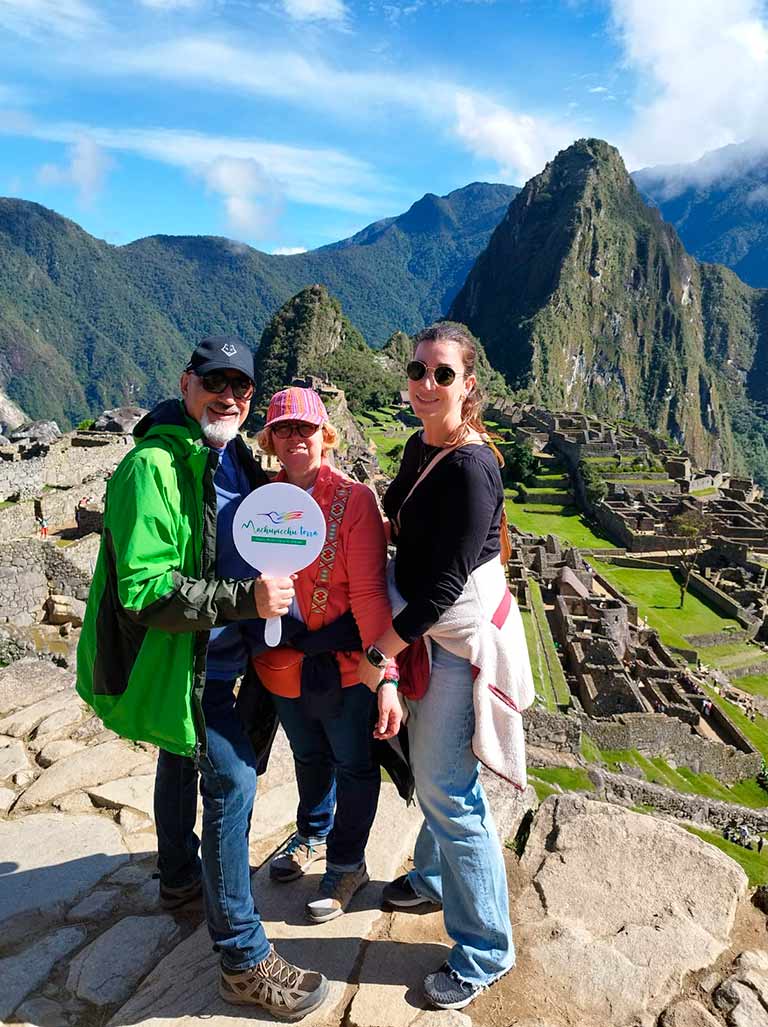
| Machu Picchu | 2,430 m above sea level | Lower altitude than Cusco. |
| Lake Titicaca | 3,812 m above sea level | Requires special attention to acclimatization. |
| Salkantay | Up to approximately 4,630 m above sea level | Requires prior preparation and acclimatization. |
Differences in altitude are important when planning your trip. For example, Machu Picchu is at a lower elevation than Cusco, while some trekking routes and highland destinations reach considerably higher altitudes.
For this reason, an itinerary that combines Cusco with high-altitude hikes should allow enough time for acclimatization before taking on more demanding activities.
When Should You Seek Medical Attention?
Most cases of altitude sickness are mild, but some situations require immediate medical attention. Severe symptoms may include confusion, extreme drowsiness, loss of coordination, severe difficulty breathing, intense weakness, or coughing.
If symptoms worsen while the person remains at the same altitude, they should not continue ascending. In severe cases, descending to a lower altitude is essential, and medical attention should be sought.
People with heart or lung conditions, as well as those with other relevant medical conditions, should consult a healthcare professional before traveling to high altitudes.
Important:
This article provides general recommendations for travelers and is not a substitute for medical evaluation. Medications used to prevent or treat altitude sickness should be taken only as directed by a healthcare professional.
Frequently Asked Questions
- How high is Cusco?
Cusco is located approximately 3,399 meters above sea level. This elevation means that some visitors may experience symptoms of altitude sickness during the first few days of their trip.
- How long does it take to acclimatize to Cusco?
The time needed to adjust varies from person to person. The first few days are especially important, and acclimatization continues over several days. For this reason, it is recommended to start your trip with relaxing activities and gradually increase physical exertion.
- What should I do on my first day in Cusco to avoid altitude sickness?
It is best to rest, engage in light activities, and avoid strenuous exercise. You can take a leisurely walk around some areas of the Historic Center if you feel well, but it is better to save demanding excursions until after you have acclimatized.
- Does exercising before the trip prevent altitude sickness?
Not necessarily. Being physically fit does not eliminate the risk of altitude sickness. The rate of ascent, altitude, and individual acclimatization are important factors.
- Is it recommended to drink plenty of water to prevent altitude sickness?
Staying properly hydrated is important during your trip, but drinking excessive amounts of water does not guarantee that you will avoid altitude sickness. Gradual acclimatization is one of the main preventive measures.
- Can I drink alcohol when I arrive in Cusco?
It is recommended to avoid alcohol during the first 48 hours after arriving at high altitude. The CDC recommends avoiding alcohol during this period as part of the measures to facilitate acclimatization.
- Is Machu Picchu at a higher altitude than Cusco?
No. Machu Picchu is located approximately 2,430 meters above sea level, below the elevation of Cusco. However, the journey to Machu Picchu may include other locations at different elevations.
- Can I visit Rainbow Mountain after arriving in Cusco?
It is not recommended to schedule a strenuous hike immediately after arriving in Cusco. Rainbow Mountain is located at a considerably higher elevation, so it is better to allow time for acclimatization first.
- Who should consult a doctor before traveling to Cusco?
People with heart or lung conditions, as well as those with other medical conditions that could be affected by altitude, should consult a healthcare professional before traveling.
- What should I do if I experience symptoms of altitude sickness?
If the symptoms are mild, you should rest and avoid continuing to ascend. If they worsen while you remain at the same altitude, or if severe signs such as confusion, loss of coordination, or significant difficulty breathing appear, you should seek medical attention and descend to a lower altitude when necessary.
By Machupicchu Terra – Last updated, October 5, 2026
All-inclusive Machu Picchu Tour!
- ✔ Hotel pickup
- ✔ Train journey through the Sacred Valley
- ✔ Specialized bilingual guide
- ✔ Entrance to Machu Picchu
Enjoy an unforgettable experience in Machu Picchu on a 1-day tour. Discover the Temple of the Sun, the Intihuatana, and other Inca structures surrounded by unique landscapes. Includes entrance to Machu Picchu and special benefits for students.