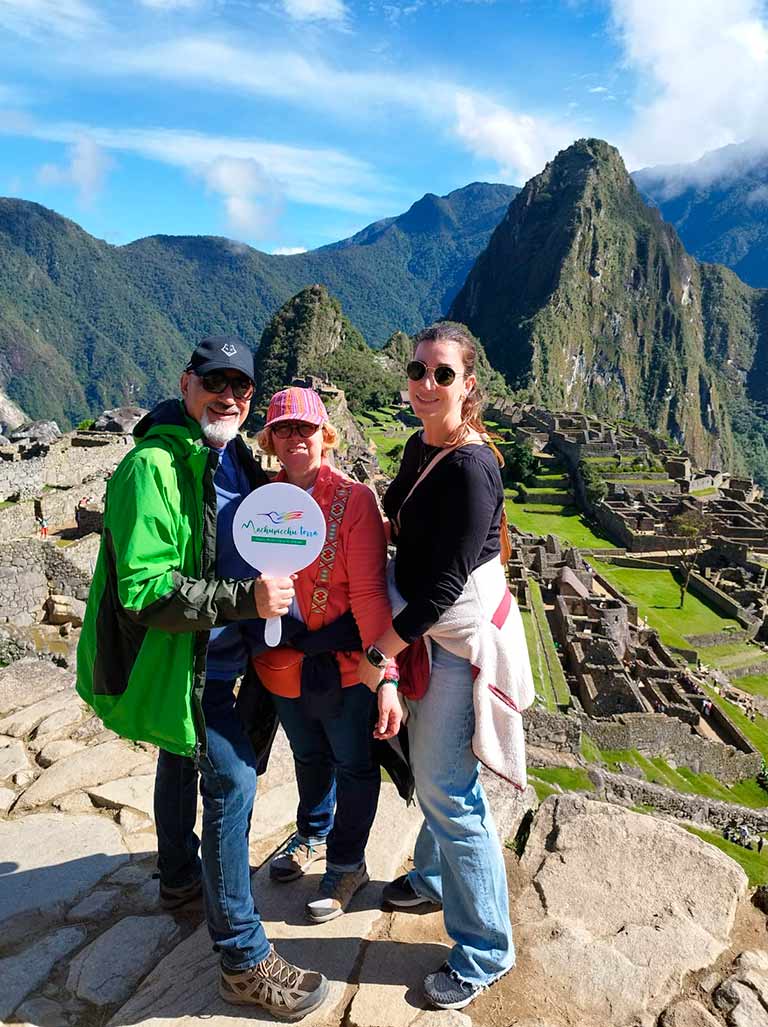
Experiential Tourism in Peru
In recent years, experiential tourism has become one of the most authentic ways to get to know Peru. Visiting this country is like immersing yourself in a multicultural land with a millenary history, where every experience will be seen as a transformation. The trend of experiential tourism invites you to live with local communities, participate in their daily tasks, and discover their essence. Discover the best destinations to experience it.
Contents
What is experiential tourism and why choose it in Peru?
Experiential tourism proposes direct immersion in the local life of the communities you visit. Unlike conventional tourism, it has a more immersive focus on sustainable experiences that benefit both the traveler and the host. It is also often called community or experiential tourism, which arises from the desire to travel in a more conscious and respectful way towards the natural and cultural environment.
Peru is one of the main destinations for this due to its cultural and geographical diversity. From Andean regions to the Amazon, hundreds of communities offer sustainable experiences that help boost the local economy and preserve ancestral traditions.
Most authentic experiential experiences in Peru
Discover the most notable experiences for experiential tourism in Peru:
Lake Titicaca (Puno)
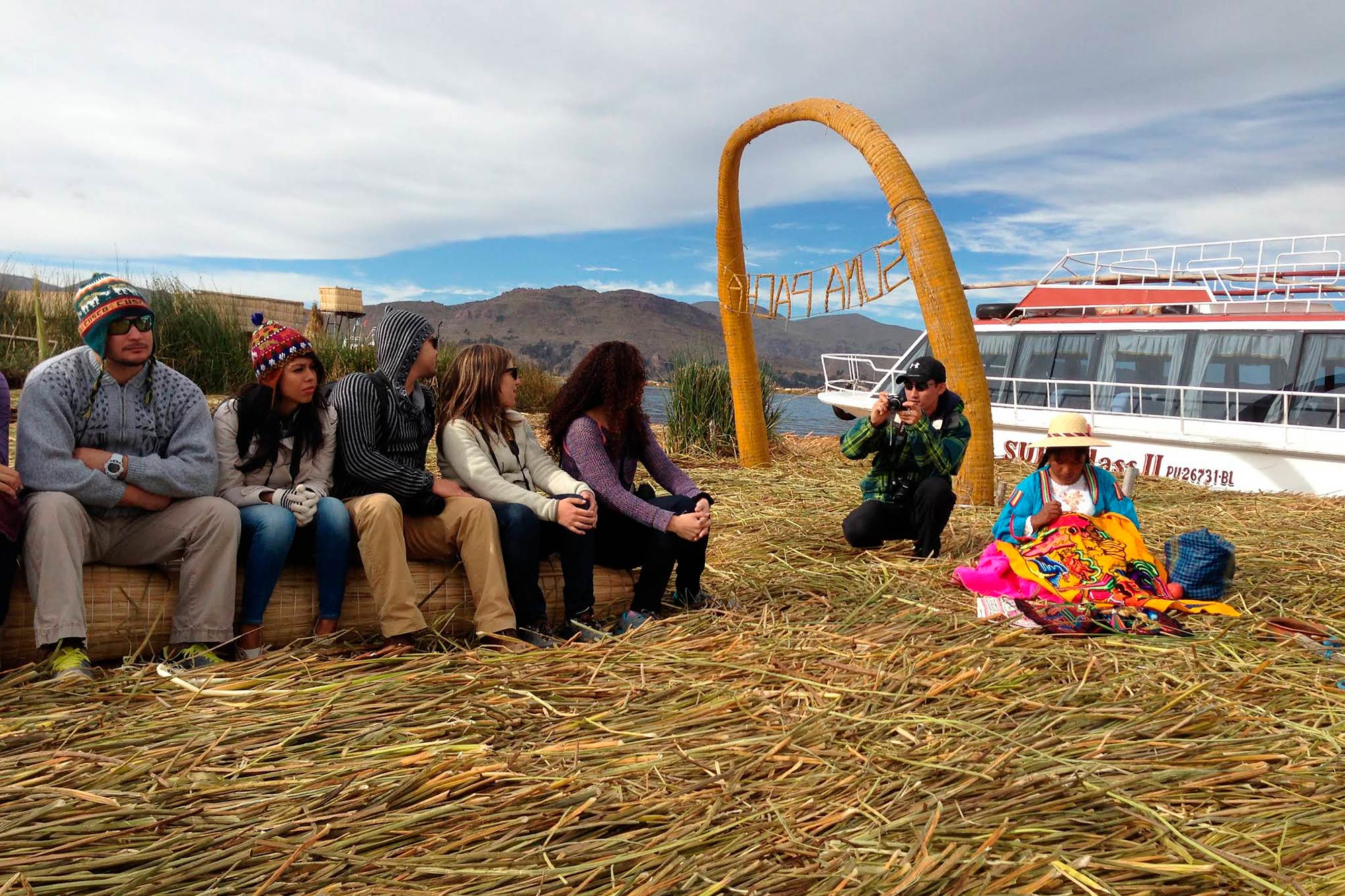
At 3,812 meters above sea level (12,507 feet), Lake Titicaca stands out as the highest navigable lake in the world. But not only for that, but also because within it lies the Uros community, which lives on floating islands made of totora, a plant they use to build their homes and rafts.
Best experiences:
- Spend the night on the floating island with a local family.
- Learn how to weave nets and make totora crafts.
- Participate in traditional fishing aboard traditional rafts.
Sacred Valley of the Incas (Cusco)
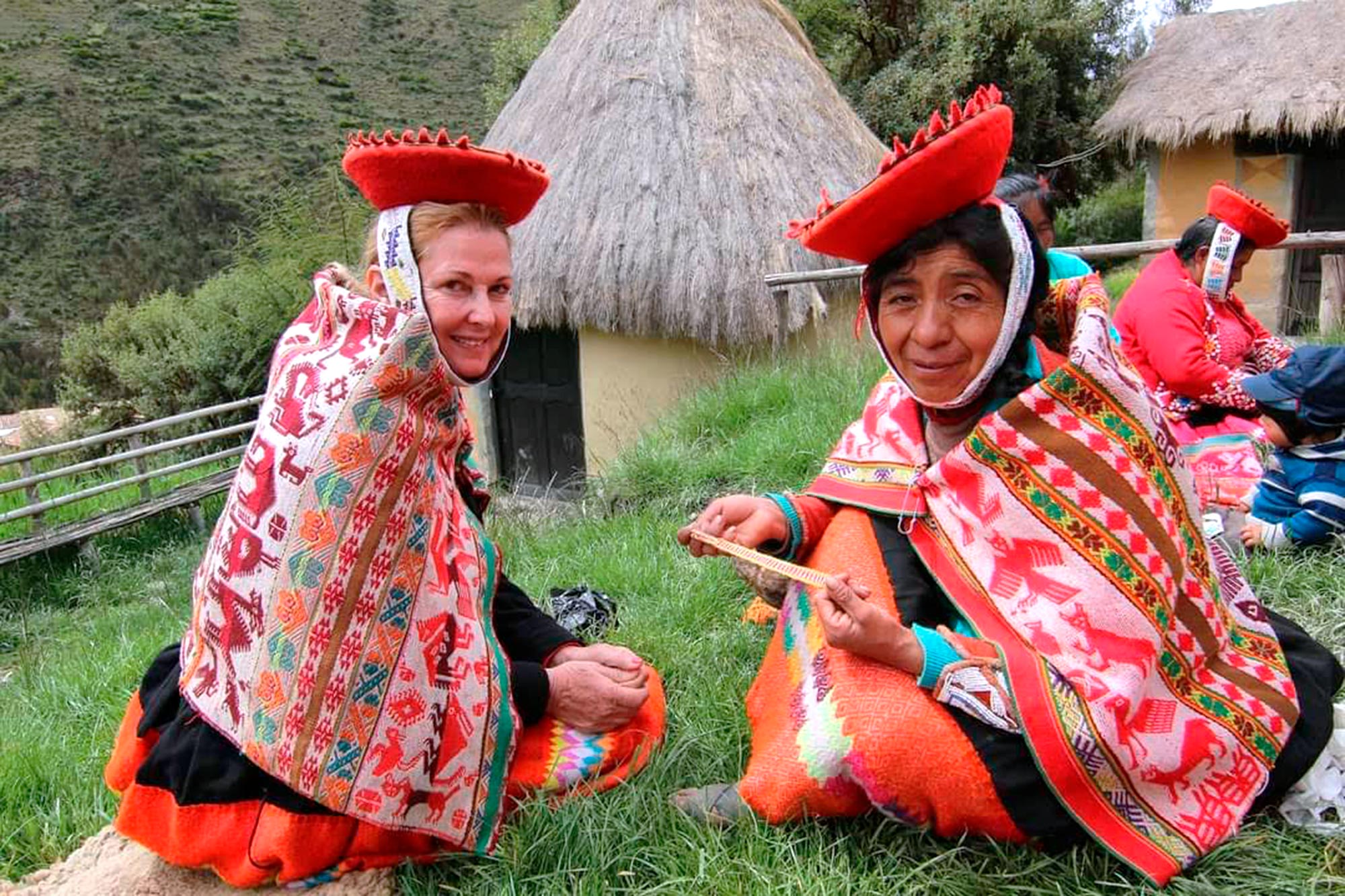
Between mountain chains and archaeological cities, the Sacred Valley reflects the essence of Andean culture. Traditional communities like Amaru, Huilloc, and Patacancha welcome visitors who wish to learn about their customs. Additionally, in many of their villages, you can engage in volunteer work, where reciprocity allows you to live unforgettable experiences.
Best experiences:
- Workshops on weaving with alpaca wool and natural dyes.
- Participate in rituals honoring Pachamama (Mother Earth).
- Learn about the Andean worldview.
Tour of the Sacred Valley of the Incas
Do you want to discover the charm of the Sacred Valley in a one-day tour? In this experience, you will visit the towns with the greatest tradition and culture, as well as the most important archaeological sites of the Inca culture. The classic tour includes: Pisac, Ollantaytambo, and Chinchero. It also includes a stop in Urubamba, the capital of the valley, where you will taste Peruvian food during lunch.Colca Valley (Arequipa)
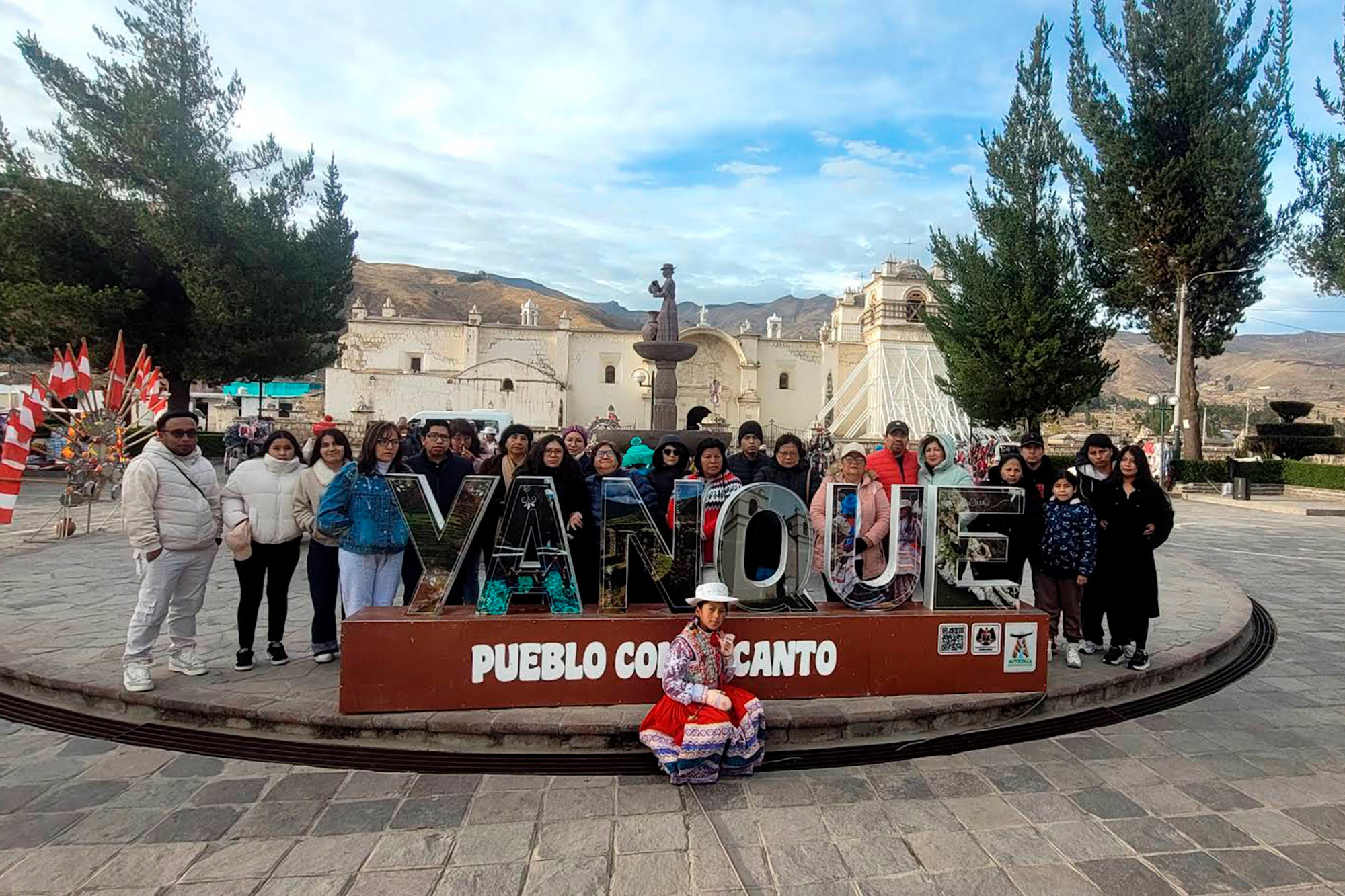
The Colca Canyon not only offers spectacular viewpoints, but also, just a short distance away, you can experience the daily life of the communities of Coporaque and Yanque. Here you can share agricultural tasks, cook typical dishes, or even learn traditional dances.
Best experiences:
- Participate in planting and harvesting food.
- Taste traditional food and learn the recipes.
- Hike along archaeological trails.
Amazon (Madre de Dios and Loreto)
In the Peruvian jungle, native communities allow you to discover a new angle of life, one that is governed by nature. The Ese’Eja in Madre de Dios, or the Yagua and Bora in Loreto, among many others, offer experiences that combine adventure, spirituality, and environmental respect.
Best experiences:
- Workshops on traditional medicine and the use of healing plants.
- Learn about their customs and way of life in reciprocity with the environment.
- Participate in rituals that connect you with nature.
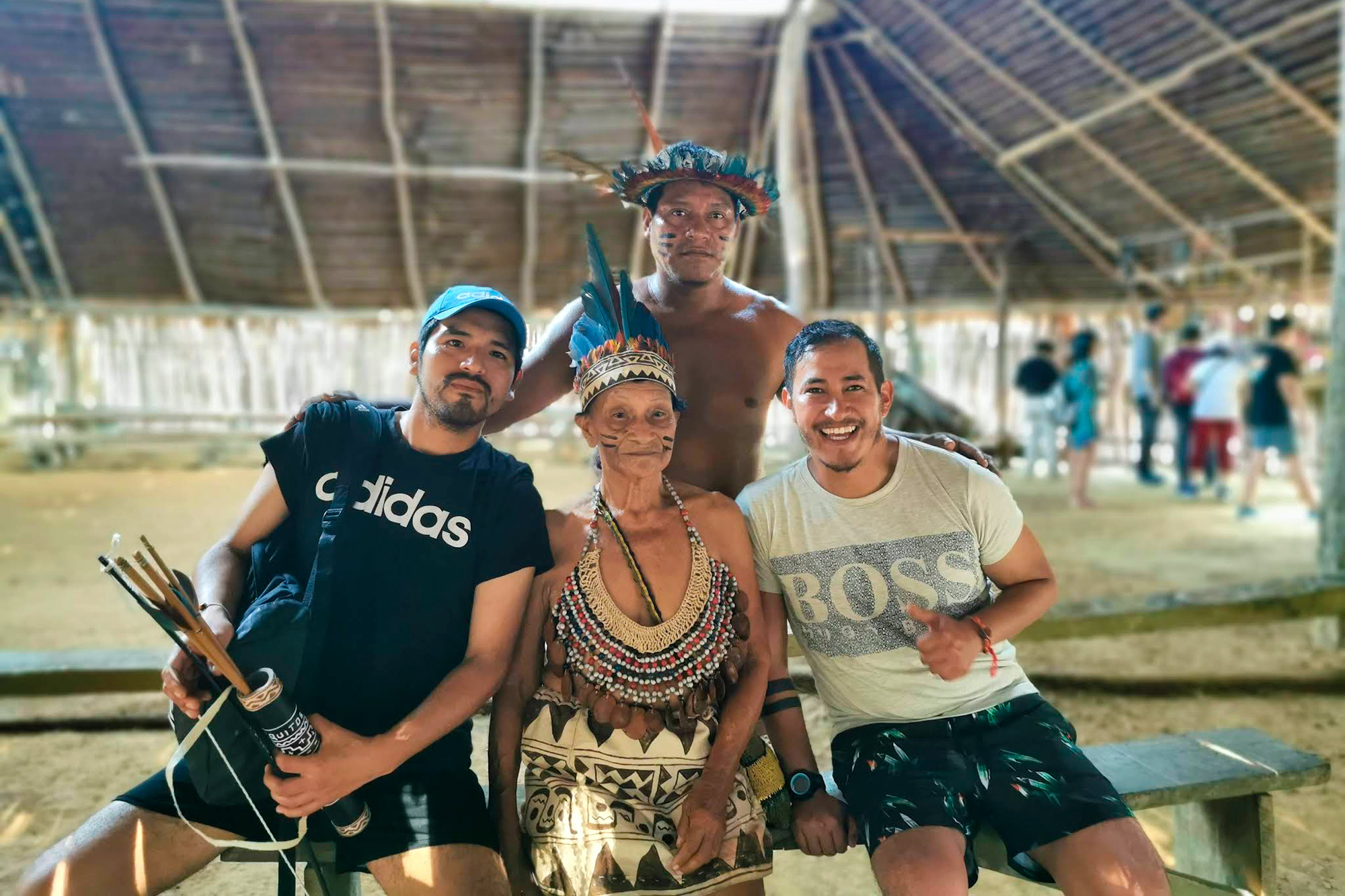
North Coast (Piura and Lambayeque)
The north of Peru retains great energy and tradition, which you can discover in places like Catacaos, Morropón, and Mórrope. With local families, you can learn ancestral techniques of pottery, goldsmithing, and weaving with toquilla straw. Additionally, you can combine these experiences with days at beautiful beaches.
Best experiences:
- Visit craft workshops and participate in artistic activities.
- Learn about their festivals and traditional dances.
- Learn about their gastronomy by cooking and tasting their dishes.
Vicos Community (Áncash)
Located at the foot of Mount Huascarán, the Vicos community is a pioneer in experiential tourism in Peru. Since the 1990s, they have integrated community tourism projects as a model of participatory management, where everyone has direct involvement. This provides a better experience for the visitor as well as more efficient development.
Best experiences:
- Learn about Andean agriculture and herding techniques.
- Participate in ancient rituals and ceremonies.
- Explore Huascarán National Park with local guides.
Huascarán National Park
One of the best natural destinations in Peru, if not the best, is Huascarán National Park, a place that protects the immense Cordillera Blanca, the highest tropical mountain range in the world. It has over 600 glaciers, 300 lakes, and snow-capped peaks that reach 6,000 meters above sea level (the most important is Huascarán, the highest in Peru at 6,768 m.a.s.l.). The national park also harbors great biodiversity of animals and plants, making the adventure in this place a complete and unforgettable experience.
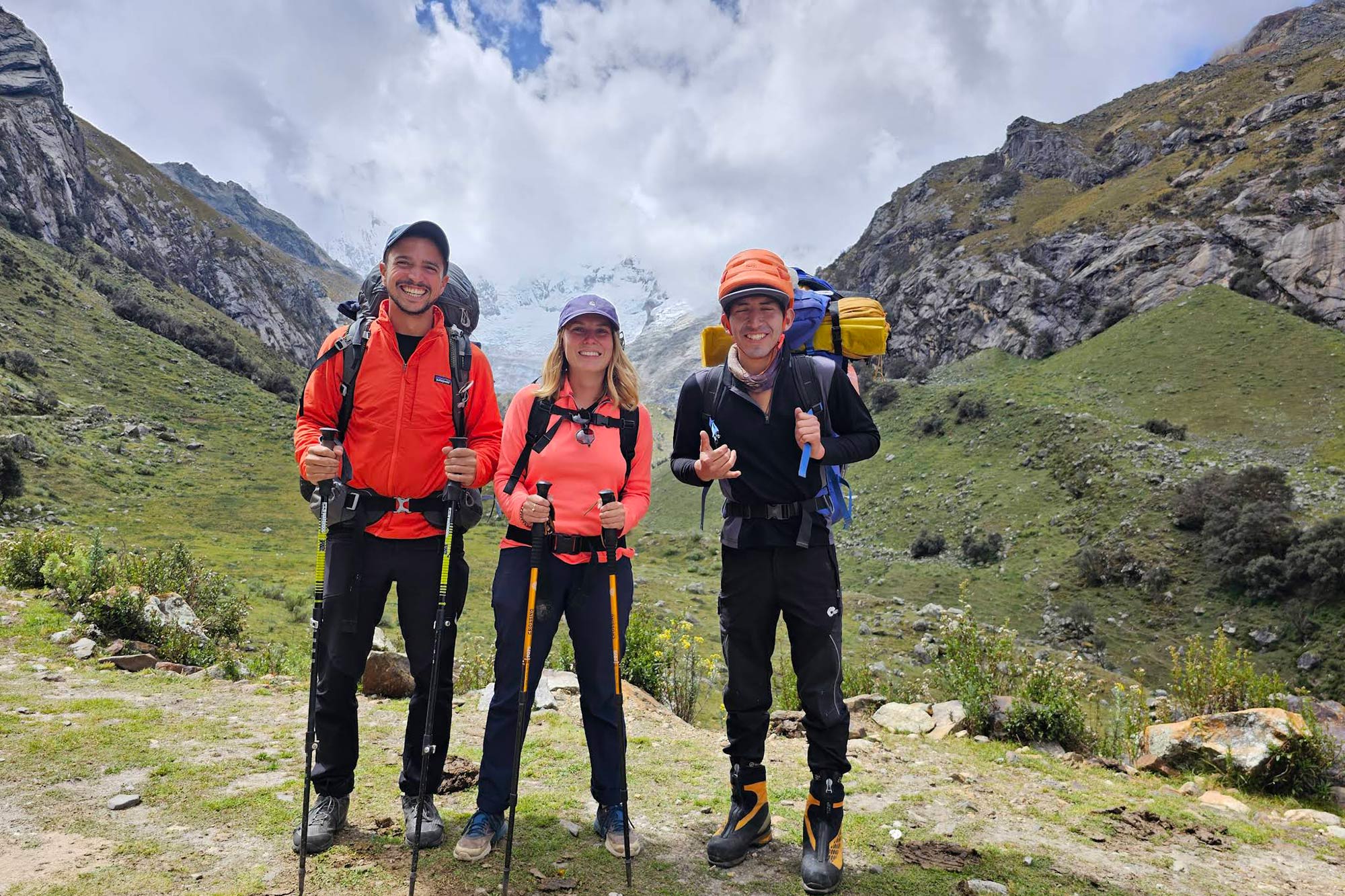
Benefits of Experiential Tourism
- For the local community:
- Promotes direct employment and income for communities.
- Ensures that local traditions and customs can continue to be preserved.
- Diversifies the local economy with sustainable activities.
- Promotes nature conservation.
- Helps improve local infrastructure and the quality of services.
- Strengthens the sense of community and cooperation among its members.
- Boosts cultural pride and identity.
- For the traveler:
- Offers an authentic and transformative experience, far from the routine.
- Connects you to local traditions and customs.
- Arouses a sense of greater empathy, respect, and understanding for other ways of life.
- Allows you to actively participate in new activities (agriculture, gastronomy, crafts, rituals).
- Encourages responsible tourism with nature.
- Creates connections and lasting memories with new people.
- Provides emotional well-being by making you feel more connected to the environment.
Frequently Asked Questions
- What is experiential tourism?
Experiential tourism is a way of traveling that allows you to live with local communities, participate in their daily activities, and get to know their culture from within. It is not just about visiting a destination, but about living it, learning directly from its inhabitants, and contributing to the sustainable development of the area.
- Why should I choose Peru for this type of tourism?
Because Peru has a great cultural diversity that will allow you to live unique experiences. From the Andes to the Amazon, you will find communities with millenary traditions, unique landscapes, and genuine hospitality.
- Where can I do experiential tourism?
Some of the most representative destinations are Lake Titicaca (Puno), the Sacred Valley (Cusco), the Colca Valley (Arequipa), the Amazon (Madre de Dios and Loreto), the North Coast (Piura and Lambayeque), and the Vicos Community (Áncash). In each of these, you can engage in unique activities linked to their environment and culture.
- What kind of activities can I do?
It will depend on the place you visit, but you can participate in agricultural work, learn to make traditional crafts, cook typical dishes, participate in ancestral ceremonies, or explore natural landscapes.
- Do I need prior experience?
No, the most important thing is your willingness to learn and live with the community. The locals will welcome you and guide you through each activity. We only recommend keeping an open mind to enjoy every experience to the fullest.
- Is it safe to stay in rural communities?
Yes, experiential tourism takes place in organized communities that are trained to receive visitors. Host families offer clean, safe accommodations that meet the basic needs of travelers.
- How does my visit contribute to local communities?
Your participation generates direct income for host families, encourages local entrepreneurship, and promotes the preservation of traditions and care for the environment. Every experiential experience has a positive impact on the lives of the communities.
- What benefits do I gain as a traveler?
You gain a different, deep, and transformative experience. You connect with authentic cultures, learn values of reciprocity, and discover new ways of seeing life. Additionally, you contribute to responsible and sustainable tourism.
- How much time is recommended for an experiential experience?
It depends on the destination. You can experience a one-day visit or stay several days, depending on your availability. We recommend at least two or three days to truly integrate into the local routine and make the most of each cultural activity.
- Can I combine experiential tourism with other tourist activities?
Of course! Many travelers complement their experiential stay with archaeological visits, nature routes, or gastronomic experiences. It’s an excellent way to enrich your trip through Peru.
By Machupicchu Terra – Last updated, May 20, 2026
All-inclusive Machu Picchu Tour!
- ✔ Hotel pickup
- ✔ Train journey through the Sacred Valley
- ✔ Specialized bilingual guide
- ✔ Entrance to Machu Picchu
Enjoy an unforgettable experience in Machu Picchu on a 1-day tour. Discover the Temple of the Sun, the Intihuatana, and other Inca structures surrounded by unique landscapes. Includes entrance to Machu Picchu and special benefits for students.