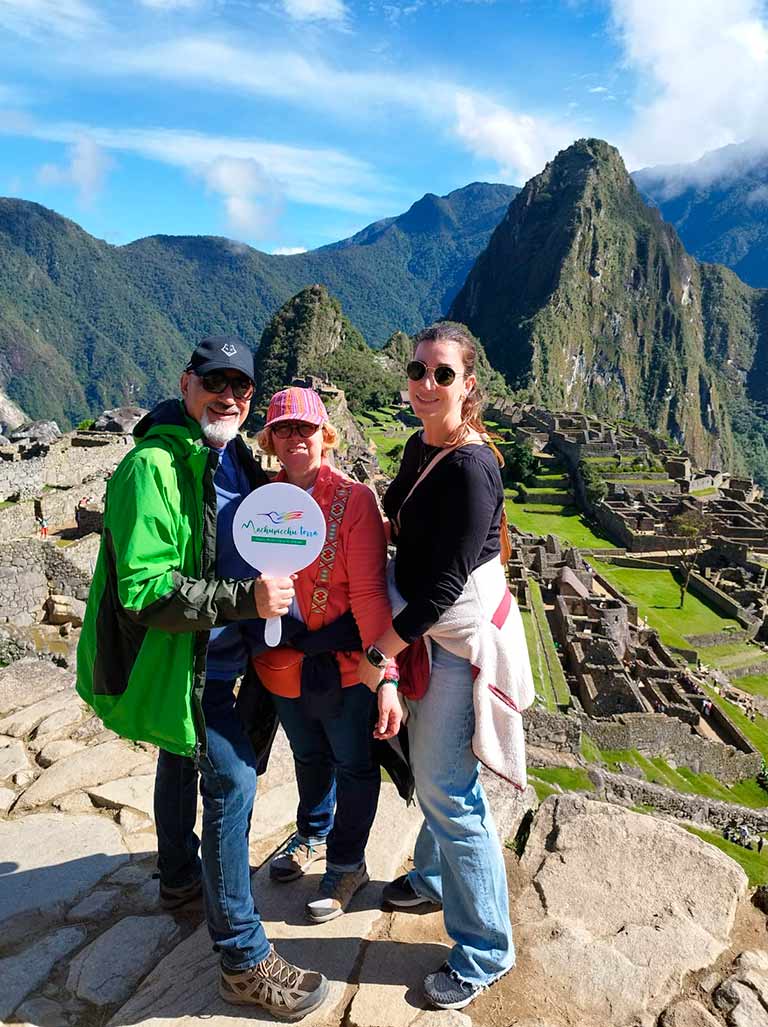
Most important tourist destinations in Peru
In Peru, the importance and potential of a tourist destination are determined by its ranking, a classification established by MINCETUR. Level 4 is the highest distinction a destination can receive, influencing its international importance and the number of visitors it attracts. Currently, the country has a total of 14 destinations with this category, offering visitors a wide variety of attractions with great cultural and natural value. Discover what they are and start including them in your next travel itinerary.
Contents
What does tourism ranking mean?
The ranking is a distinction granted by the Ministry of Foreign Trade and Tourism (MINCETUR) to those exceptional tourist attractions of great importance to the international tourism market, capable of attracting a large number of visitors on their own. The ranking level is organized into four levels, from 1 to 4, with the latter being the highest recognition.
Among the main criteria considered for granting this recognition are: the characteristics of the resource, its publications, recognition, state of conservation, tourist flow, facilities, territorial representativeness, and inclusion in tourist visits.
Tourism resource rankings in Peru | ||||
|---|---|---|---|---|
| Ranking | Scope of the tourism resource | Main characteristics | Infrastructure and services | Examples |
| Level 1 | Local interest | Resources with limited tourism value. They are usually little known outside their locality. | Basic or limited infrastructure. Reduced accessibility. | Viewpoints, small lagoons, traditional festivals with district-level reach. |
| Level 2 | Regional interest | Resources that generate travel within a region. | Moderate accessibility and some tourism services (restaurants, local transport, basic signage). | Waterfalls, medium-sized archaeological sites, natural landscapes. |
| Level 3 | National interest | Destinations recognized nationwide. They have notable features and generate consistent tourist flows. | Developed tourism infrastructure: hotels, transport, tour operators. | Well-known national parks, major historic cities, important archaeological complexes. |
| Level 4 | International interest | Exceptional resources with international value. They have the capacity to attract foreign visitors on their own. | Well-established tourism infrastructure, national and international connectivity, strong tourism promotion, and heritage management. | Machu Picchu, Chan Chan, Nazca Lines, Huascarán National Park. |
Level 4 tourist destinations in Peru
In Peru, there are 14 destinations that hold the highest tourism ranking. Each of them is divided into archaeological sites, historic cities, natural destinations, and cultural heritage. Discover each one:
Archaeological wonders of Peru
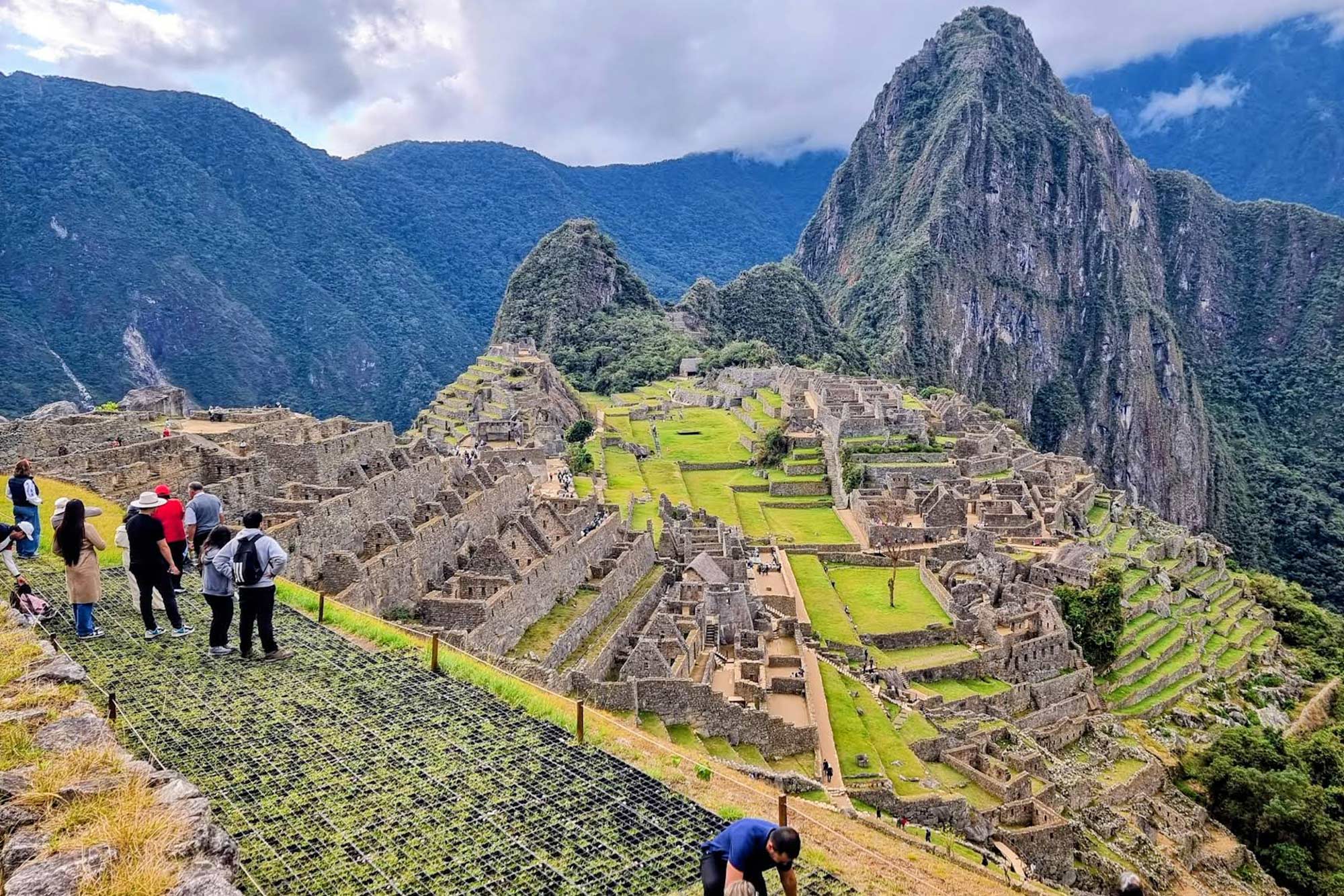
- Historic Sanctuary of Machu Picchu
Machu Picchu is Peru’s main tourist destination. This wonder of the world is an ancient Inca citadel built in the 15th century during the height of the Tahuantinsuyo Empire. It stands out for its impressive stone architecture, urban planning, and the diverse natural environment that surrounds it.
- Inca city built around the 15th century.
- Located in the province of Urubamba, Cusco region, at over 2,400 meters above sea level.
- Considered one of the Seven Wonders of the World.
- UNESCO World Heritage Site.
- Combines archaeological heritage with mountain landscapes.
- Sacred City of Caral
The archaeological complex of Caral is considered the oldest civilization in the Americas, with more than five thousand years of history. This sacred city reveals the early development of an organized society, highlighted by its monumental architecture, ceremonial plazas, and excellent state of preservation.
- Civilization over 5,000 years old.
- Located in Supe, Lima region, at 350 meters above sea level.
- Considered the oldest city in the Americas.
- UNESCO World Heritage Site.
- Monumental Archaeological Zone of Chan Chan
Chan Chan was the capital of the ancient Chimú culture. It is the largest adobe city in the Americas and one of the largest in the world, dating from around 850 to 1470 AD. Its extensive palaces, ceremonial plazas, and administrative complexes demonstrate the high level of political and urban organization of this pre-Hispanic culture.
- Pre-Hispanic city built mainly of adobe.
- Located in the province of Trujillo, La Libertad region, at sea level.
- The second largest adobe city in the world.
- UNESCO World Heritage Site.
- Nazca and Palpa Lines and Geoglyphs
The Nazca Lines are one of the greatest archaeological mysteries in the world. They consist of a series of enormous geoglyphs drawn on the desert. The figures represent animals, plants, and geometric shapes. In total, there are more than 300 different figures across an area of nearly 1,000 square kilometers, mainly visible from the air.
- More than 300 large-scale geoglyphs in the desert.
- Located in the province of Nazca, Ica region, at 600 meters above sea level.
- Created by the Nazca culture between the 1st and 7th centuries.
- Can only be fully seen from the air.
- UNESCO World Heritage Site.
- Ollantaytambo Archaeological Park
Ollantaytambo is one of the most important archaeological complexes of the Inca legacy. Built on a mountain in the town of the same name, it features impressive architecture with religious temples, terraces, and unique structures that reflect its worldview. From its summit, you can see landscapes of the Sacred Valley.
- Inca fortress and ceremonial center.
- Located in the province of Urubamba, Cusco region, at 2,792 meters above sea level.
- A living Inca town that preserves its original urban layout.
- Panoramic views of the Sacred Valley from above.
- Sacsayhuamán National Archaeological Park
Sacsayhuamán was one of the most important sites for the Inca culture, second only to the city of Cusco. The archaeological park includes multiple sites across a vast area, with its massive stone walls standing out as a testament to Inca engineering. It also includes sites such as Qenqo, Tambomachay, and Puca Pucara.
- Largest ceremonial and military complex of the Inca culture.
- Located in the city of Cusco, at 3,700 meters above sea level.
- Main setting for the Inti Raymi festival.
- Offers panoramic views of the Cusco valley.
Historic cities of the country
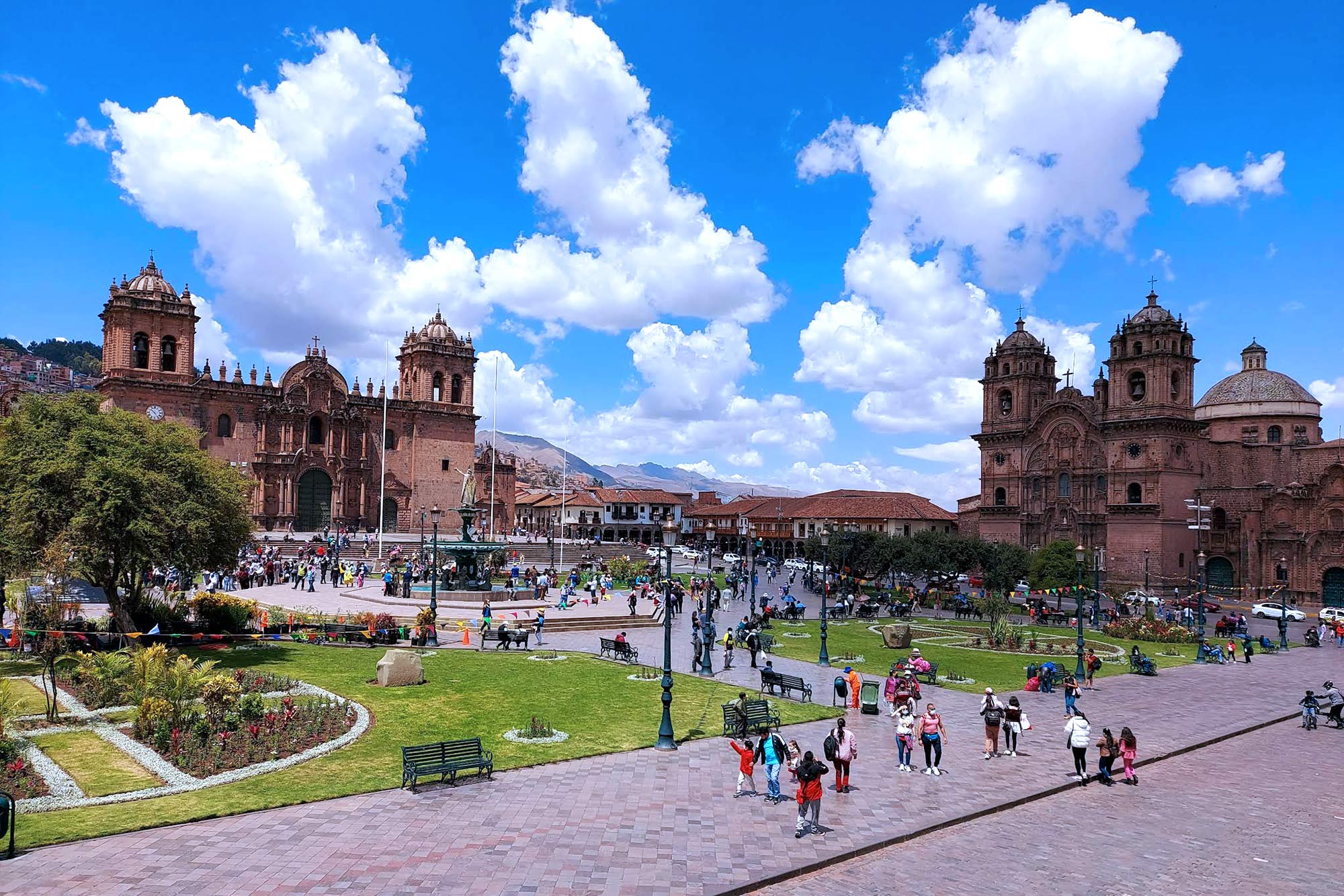
- Historic Center of Cusco
Cusco is the former capital of the Inca Empire, where pre-Hispanic heritage and colonial architecture coexist. The historic center is made up of temples with Inca foundations, archaeological remains, historic squares, and cobblestone streets that reflect centuries of history in one of the world’s most important cultural destinations.
- Former capital of the Tahuantinsuyo Empire.
- Architecture that blends Inca and colonial structures.
- Wide variety of cultural and historical tourist attractions.
- UNESCO World Heritage Site.
- Starting point for visiting the Sacred Valley and Machu Picchu.
- Historic Center of Arequipa
The city center of Arequipa stands out for its architecture built with sillar, a white volcanic stone that gives it a unique identity. It is also notable for its churches, convents, and colonial mansions that reflect its historical and cultural importance in southern Peru.
- Architecture built with volcanic sillar stone.
- Well-preserved historic center.
- Located at the foot of imposing volcanoes.
- UNESCO World Heritage Site.
- Historic Center of Lima
Founded in 1535 during the colonial period, Lima’s historic center is known as the “City of Kings” for its monumental colonial architecture. Its churches, squares, convents, and mansions preserve the Baroque tradition, highlighting its role as the political and cultural capital during the viceroyalty era.
- Viceroyal and republican architecture.
- Capital of Peru since colonial times.
- Famous for its wooden colonial balconies.
- UNESCO World Heritage Site.
Landscapes of global importance
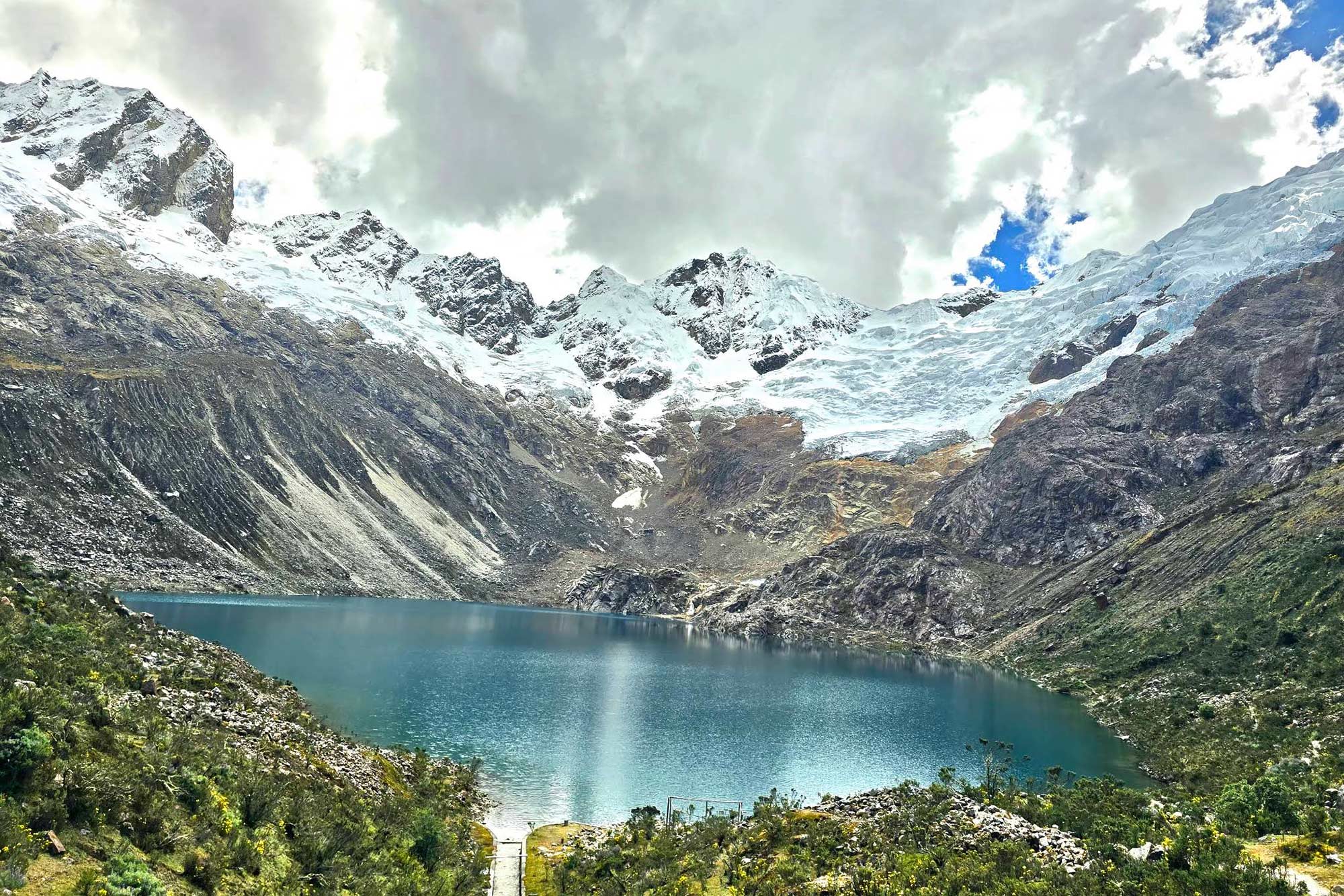
- Huascarán National Park
Located in the Cordillera Blanca, Huascarán National Park protects one of the most spectacular mountain natural areas in the world. This territory is home to around 712 glaciers, 434 lagoons, towering peaks, and a great diversity of flora and fauna across various Andean ecosystems.
- Home to Mount Huascarán, the highest mountain in Peru (6,768 m above sea level).
- Located across 10 provinces in the Áncash region, with elevations ranging from 2,500 to 6,768 m above sea level.
- Great diversity of Andean ecosystems.
- Ideal destination for mountaineering and hiking.
- UNESCO World Heritage Site.
- Colca Valley
The Colca Valley is famous for its geographical and scenic diversity, as well as for having one of the deepest canyons on the planet. One of its main attractions is the sighting of the Andean condor, along with traditional villages and pre-Hispanic remains.
- One of the deepest canyons in the world.
- Located in the province of Caylloma, Arequipa region, with elevations ranging from 2,400 to 5,000 m above sea level.
- Observation of the Andean condor’s flight at sunrise.
- Landscapes of volcanoes, agricultural terraces, and mountains.
- Amazon River
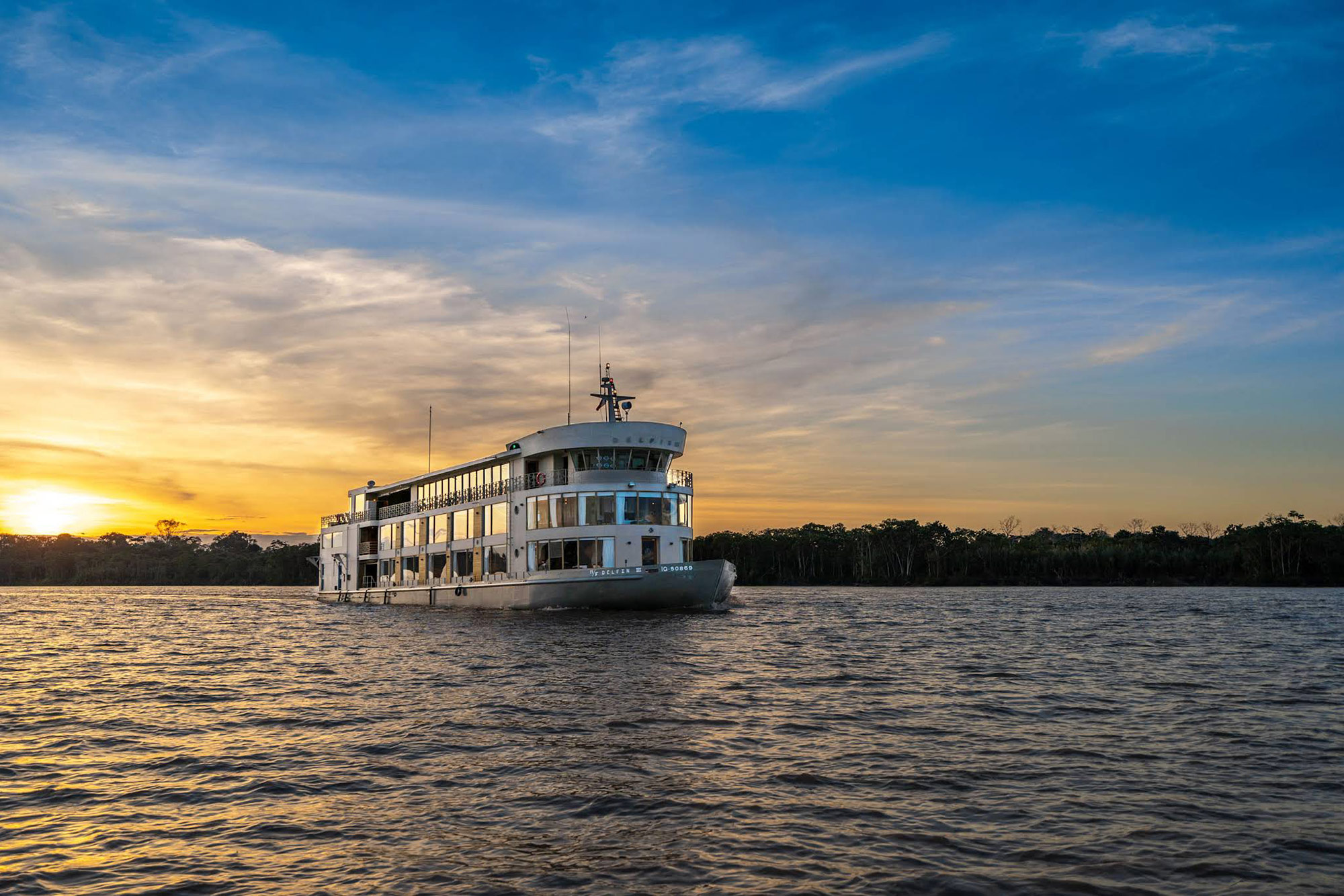
The Amazon River is the largest river system in the world and the backbone of one of the most biodiverse ecosystems on the planet. It is considered one of the seven natural wonders and flows through several South American countries, including Peru, Colombia, and Brazil.
- Home to numerous Amazonian indigenous communities.
- Originates in the southern Andes of Peru and flows through the northern rainforest of the Loreto region.
- Hosts approximately 40,000 plant species and thousands of animal species.
- Important ecotourism destination.
- Part of the largest tropical rainforest in the world.
- Pómac Forest
The Pómac Historic Sanctuary is one of the most important protected natural areas in Peru, as it preserves one of the largest algarrobo forests in the world. It is also home to great biological diversity and archaeological remains of the Sicán culture.
- Equatorial dry forest ecosystem.
- Located in the province of Ferreñafe, Lambayeque region, at sea level.
- Presence of Sicán culture remains.
- High diversity of flora and fauna.
Cultural heritage
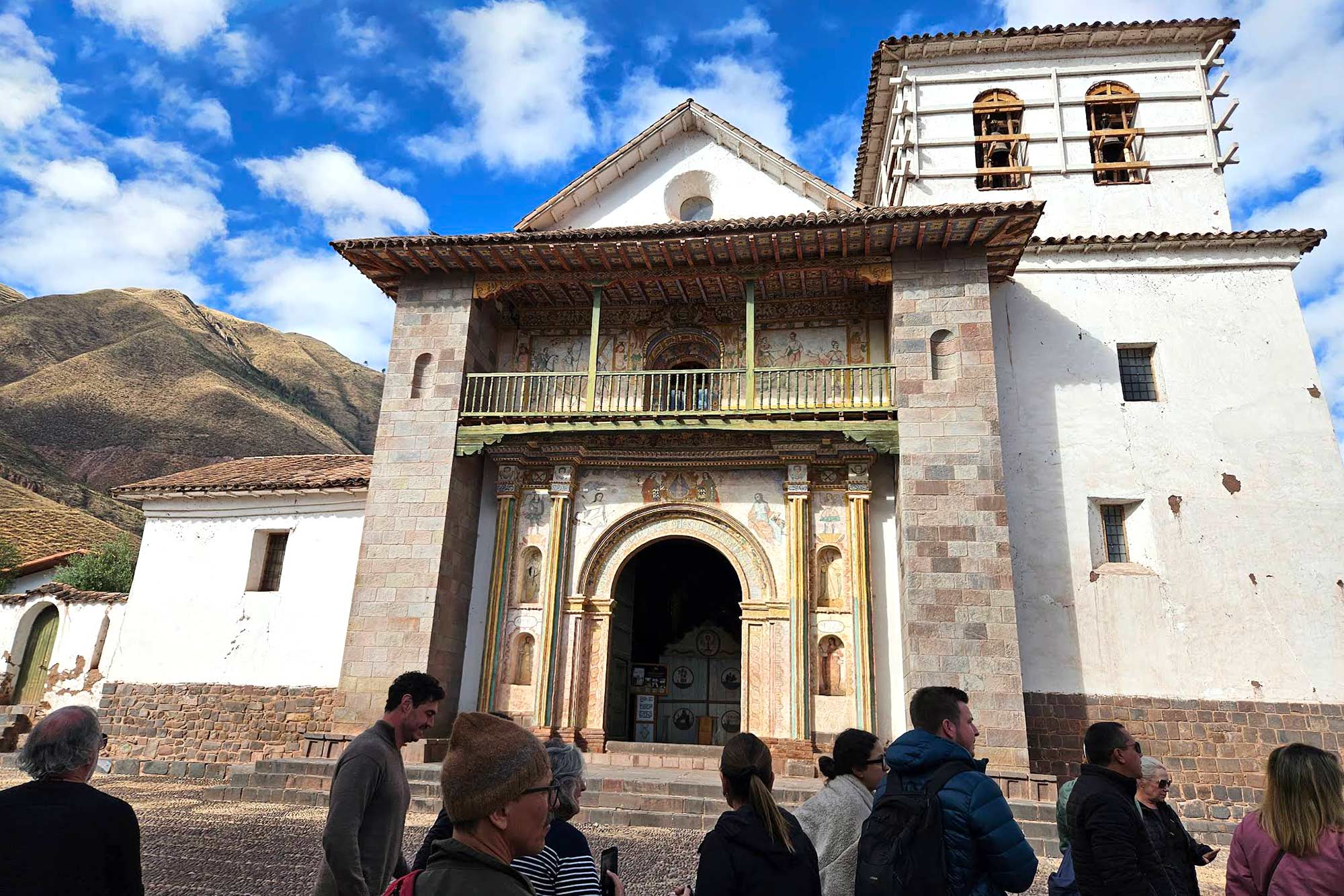
- San Pedro Apóstol Church of Andahuaylillas
The colonial San Pedro Apóstol Church is known as the Sistine Chapel of the Americas. Its interior is completely decorated with murals, paintings, and altarpieces that reflect religious art from the viceroyal period, considered one of the finest examples of Andean Baroque.
- Sistine Chapel of the Americas, dating from the 17th century colonial period.
- Located in the town of Andahuaylillas, Cusco region, at 3,121 meters above sea level.
- Outstanding example of Andean colonial religious art.
- Part of the South Valley, one of the most scenic areas of Cusco.
Cusco: the region with the most level 4 destinations
Among all the regions of Peru, Cusco has the highest concentration of top-ranked destinations. Within its territory are five of the country’s most important tourist sites: Historic Sanctuary of Machu Picchu, Historic Center, Sacsayhuamán Archaeological Park, Ollantaytambo archaeological site, and the San Pedro Apóstol Church of Andahuaylillas.
This concentration of historical and cultural attractions explains why Cusco is one of the most visited destinations in South America. An essential stop to experience the history and cultural diversity of Peru.
Frequently Asked Questions
- What does it mean for a destination to have a level 4 tourism ranking in Peru?
A destination with a level 4 tourism ranking is one that has significant value and international recognition. This category is granted by the Ministry of Foreign Trade and Tourism (MINCETUR) to places capable of attracting foreign visitors on their own, thanks to their cultural, historical, or natural importance.
- How many level 4 destinations are there in Peru?
Currently, Peru has 14 destinations with the highest tourism ranking. These places are distributed among archaeological sites, historic cities, natural landscapes, and cultural heritage, allowing travelers to experience a wide variety of attractions within the country.
- What is the most visited level 4 destination in Peru?
The most visited destination in the country is Machu Picchu. This ancient Inca citadel is recognized as one of the Seven Wonders of the Modern World and attracts millions of visitors each year. Its architecture, history, and natural surroundings make it Peru’s main tourist icon.
- Which regions of Peru have level 4 destinations?
Level 4 destinations are spread across various regions of the country, including Cusco, Lima, Arequipa, La Libertad, Lambayeque, Ica, Áncash, and Loreto. This geographical diversity allows visitors to explore the coast, the highlands, and the Amazon rainforest.
- Why does Cusco have so many level 4 destinations?
Cusco has the highest concentration of destinations with this classification due to its immense historical and cultural value. Within its territory are iconic places such as Machu Picchu, Sacsayhuamán, Ollantaytambo, the Historic Center of Cusco, and the Andahuaylillas church.
- What criteria are considered to assign a tourism ranking to a destination?
To assign a tourism ranking, several criteria are evaluated, including the uniqueness of the resource, its national and international recognition, its state of preservation, visitor flow, available tourism infrastructure, and its inclusion in major tourism circuits.
- Are all level 4 destinations archaeological sites?
No. Although several are important archaeological complexes, there are also historic cities, natural landscapes, and cultural monuments within this category.
- Is it possible to visit several level 4 destinations in one trip?
Yes, many of these destinations are located relatively close to each other or are part of established tourist circuits. For example, in the Cusco region, it is possible to visit Machu Picchu, the Historic Center, Sacsayhuamán, and Ollantaytambo within the same route.
- Why are some level 4 destinations UNESCO World Heritage Sites?
Many of these places have been recognized by UNESCO due to their outstanding universal value. This recognition highlights their historical, cultural, or natural importance for all humanity and promotes their conservation.
- Why include level 4 destinations in my travel itinerary?
These destinations represent some of the most important and iconic places in Peru. Including them in an itinerary allows travelers to experience the country’s most outstanding cultural, historical, and natural heritage, while enjoying highly valuable travel experiences.
By Machupicchu Terra – Last updated, May 20, 2026
All-inclusive Machu Picchu Tour!
- ✔ Hotel pickup
- ✔ Train journey through the Sacred Valley
- ✔ Specialized bilingual guide
- ✔ Entrance to Machu Picchu
Enjoy an unforgettable experience in Machu Picchu on a 1-day tour. Discover the Temple of the Sun, the Intihuatana, and other Inca structures surrounded by unique landscapes. Includes entrance to Machu Picchu and special benefits for students.