The highest mountains in Peru
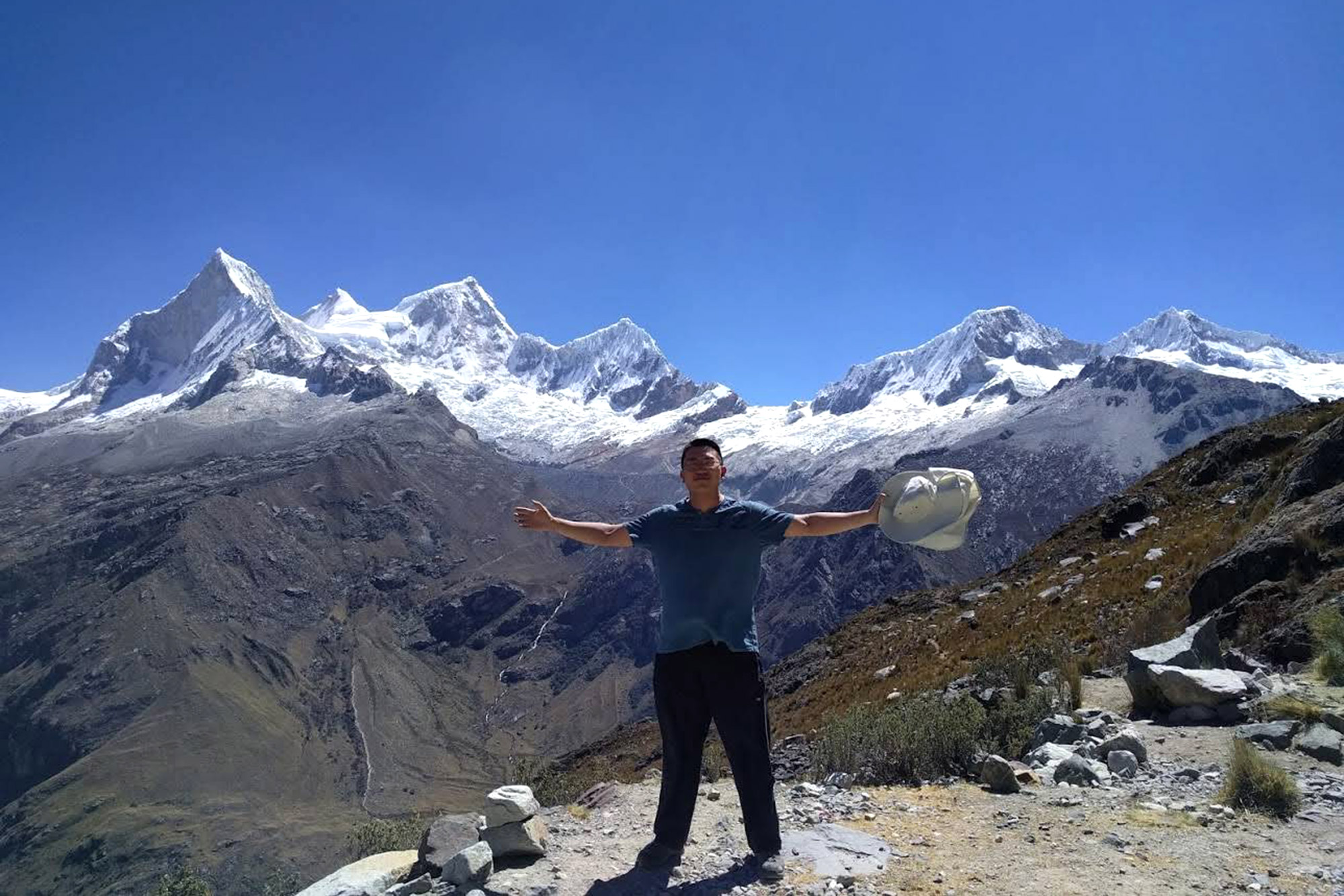
Peru’s geography is one of the most diverse in the world and is home to some of the highest peaks in the Americas, largely due to the presence of the Andes Mountain Range. These mountains directly influence the country’s biodiversity and the wide variety of landscapes and climates that characterize Peruvian territory. Over time, its mountains, snow-capped peaks, and volcanoes have become increasingly popular destinations for travelers and adventurers, offering ideal settings for unique experiences in nature. Discover Peru’s main peaks and dare to explore one of them.
Contents
The great mountains of Peru
Peru is one of the most mountainous countries in the world thanks to the presence of the Andes Mountain Range, an extensive chain that runs across the territory from north to south. Many of them exceed 6,000 meters above sea level.
These peaks stand out not only for their height, but also for their influence on the climate, the diversity of landscapes, the origin of rivers, and their cultural value in Andean traditions.
Many of these mountains are concentrated in mountain systems such as the Cordillera Blanca, the Cordillera Huayhuash, and the Cordillera Vilcanota. Their presence is also synonymous with glaciers, lagoons, and trekking routes that attract travelers from all over the world seeking to explore high-altitude landscapes.
What is the highest mountain in Peru?
The highest mountain in Peru is Huascarán, which has an approximate elevation of 6,768 meters above sea level. This massive peak is located in the Cordillera Blanca, within Huascarán National Park, one of the most diverse and stunning natural areas in the country.
The Huascarán snow-capped mountain has two main summits, Huascarán North and Huascarán South, with the latter being the higher of the two. Additionally, this place is also popular for its glaciers, lagoons, and breathtaking landscapes.
Ranking of the highest mountains
Huascarán – 6,768 m a.s.l.
Huascarán is the highest mountain in Peru and the sixth highest in the American continent. It belongs to the Cordillera Blanca and features impressive geographic diversity. Hiking in its surroundings is one of the most popular activities for travelers, although it is important to be well prepared due to the altitude.
Aspect | Information |
|---|---|
| Location | Yungay Province, Áncash region |
| Mountain range | Cordillera Blanca |
| Protected area | Huascarán National Park |
| Elevation | 6,768 meters above sea level |
| How to get there | From Huaraz, travel by road to Yungay and then continue toward the Llanganuco Valley |
| Highlight | It is the highest mountain in Peru and has two main glacier-covered summits |
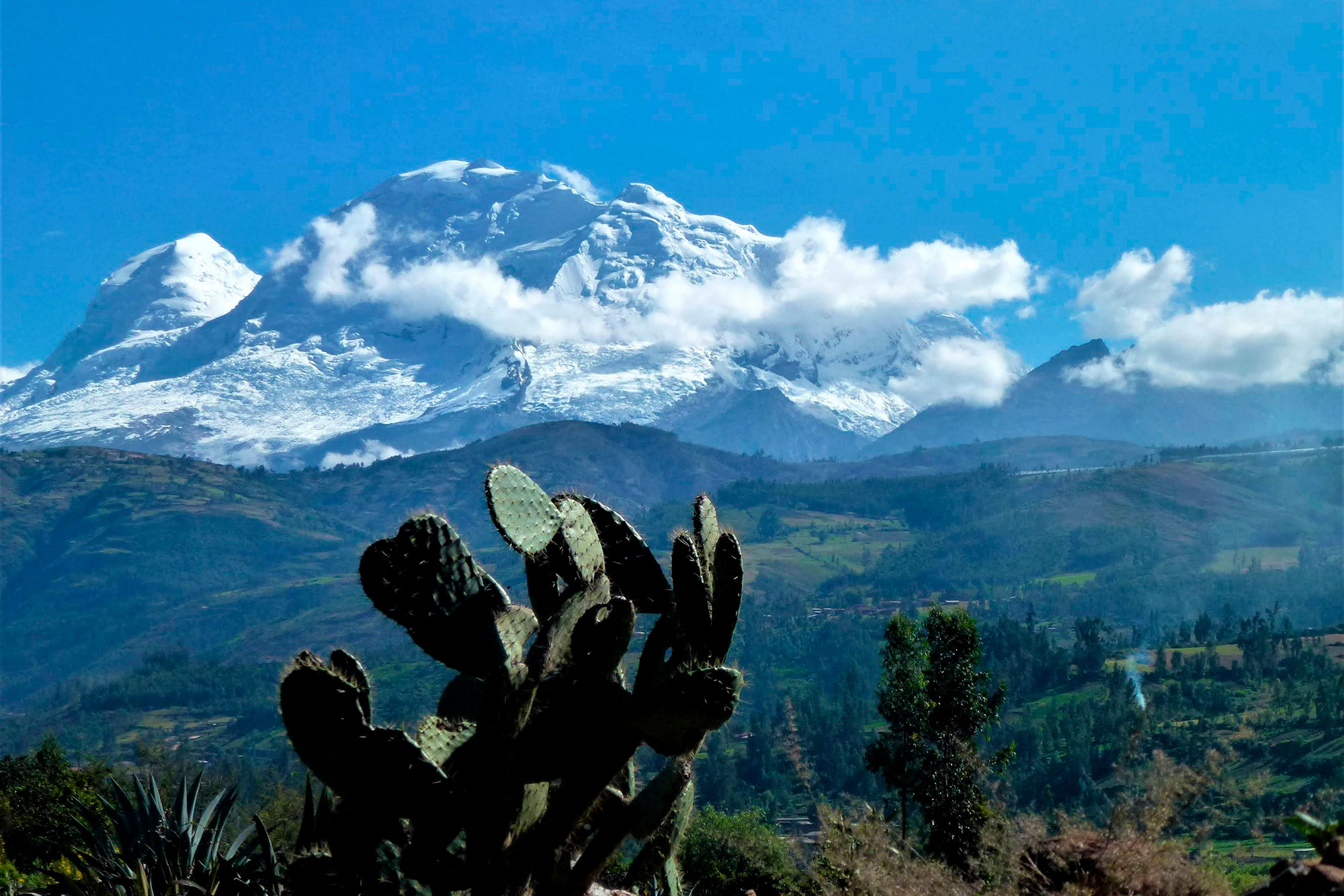
Yerupajá – 6,634 m a.s.l.
The second highest mountain in Peru is Yerupajá, located in the Huayhuash mountain range. It has a pyramidal shape and steep ice walls, making it one of the most difficult peaks to climb in the world.
Feature | Information |
|---|---|
| Elevation | 6,634 meters above sea level |
| Location | Lauricocha Province, Huánuco region (bordering Áncash) |
| Mountain range | Cordillera Huayhuash |
| How to get there | The most common access starts from Huaraz toward villages near the Huayhuash circuit |
| Highlight | It is the second highest mountain in Peru and one of the most challenging for mountaineering |
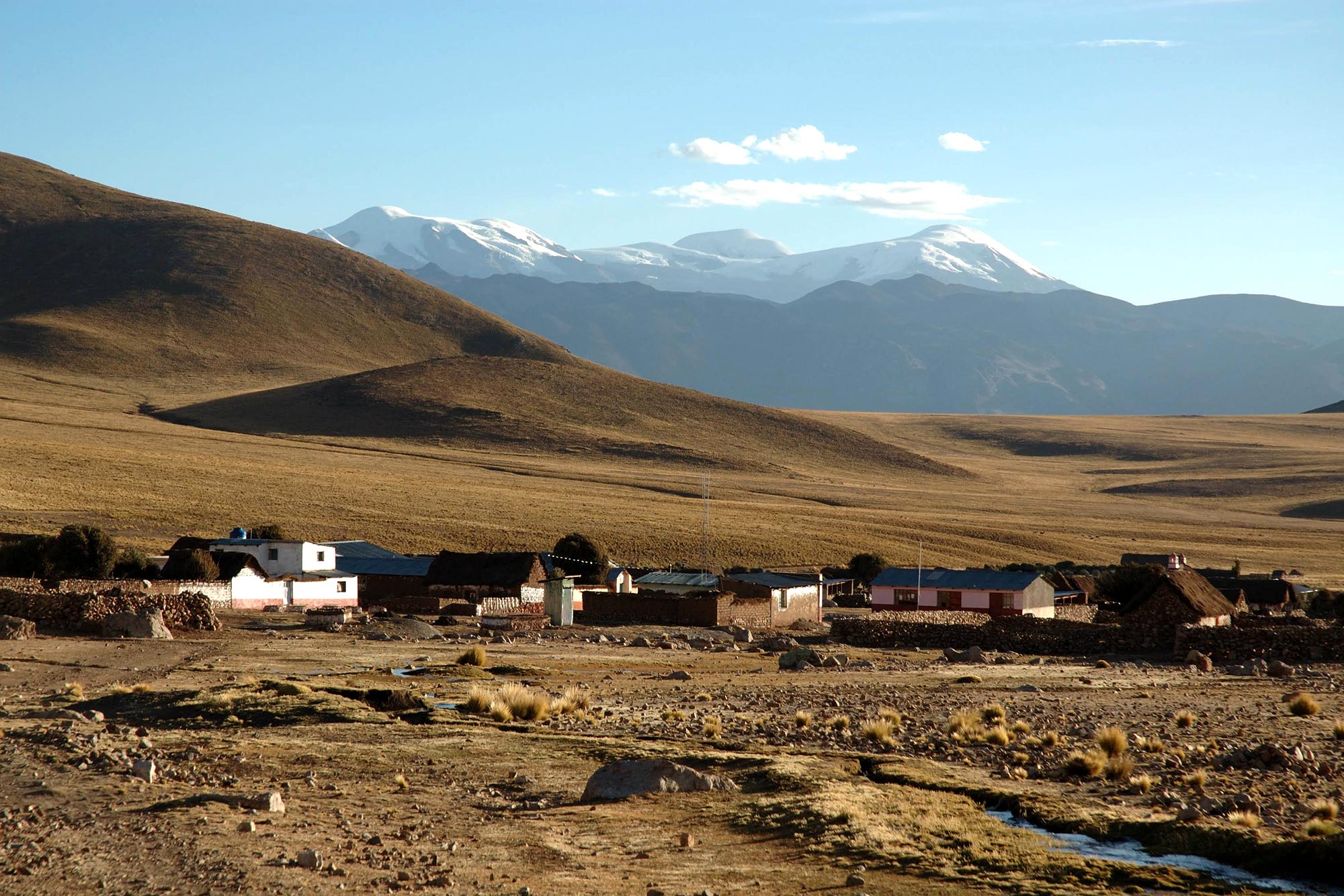
Coropuna – 6,425 m a.s.l.
Coropuna is the highest mountain in southern Peru, consisting of an inactive volcanic complex covered with glaciers. Its importance dates back to Inca times, as archaeological remains linked to ritual ceremonies in honor of the Apus (sacred mountains) can be found in its surroundings.
Feature | Information |
|---|---|
| Location | Castilla Province, Arequipa region |
| Mountain range | Southern Peruvian Andes |
| Protected area | Huascarán National Park |
| Elevation | 6,425 meters above sea level |
| How to get there | From Arequipa, travel by road toward the Cotahuasi Valley or nearby areas of the volcano |
| Highlight | It is the highest mountain in southern Peru and a विशाल volcanic complex covered with glaciers |
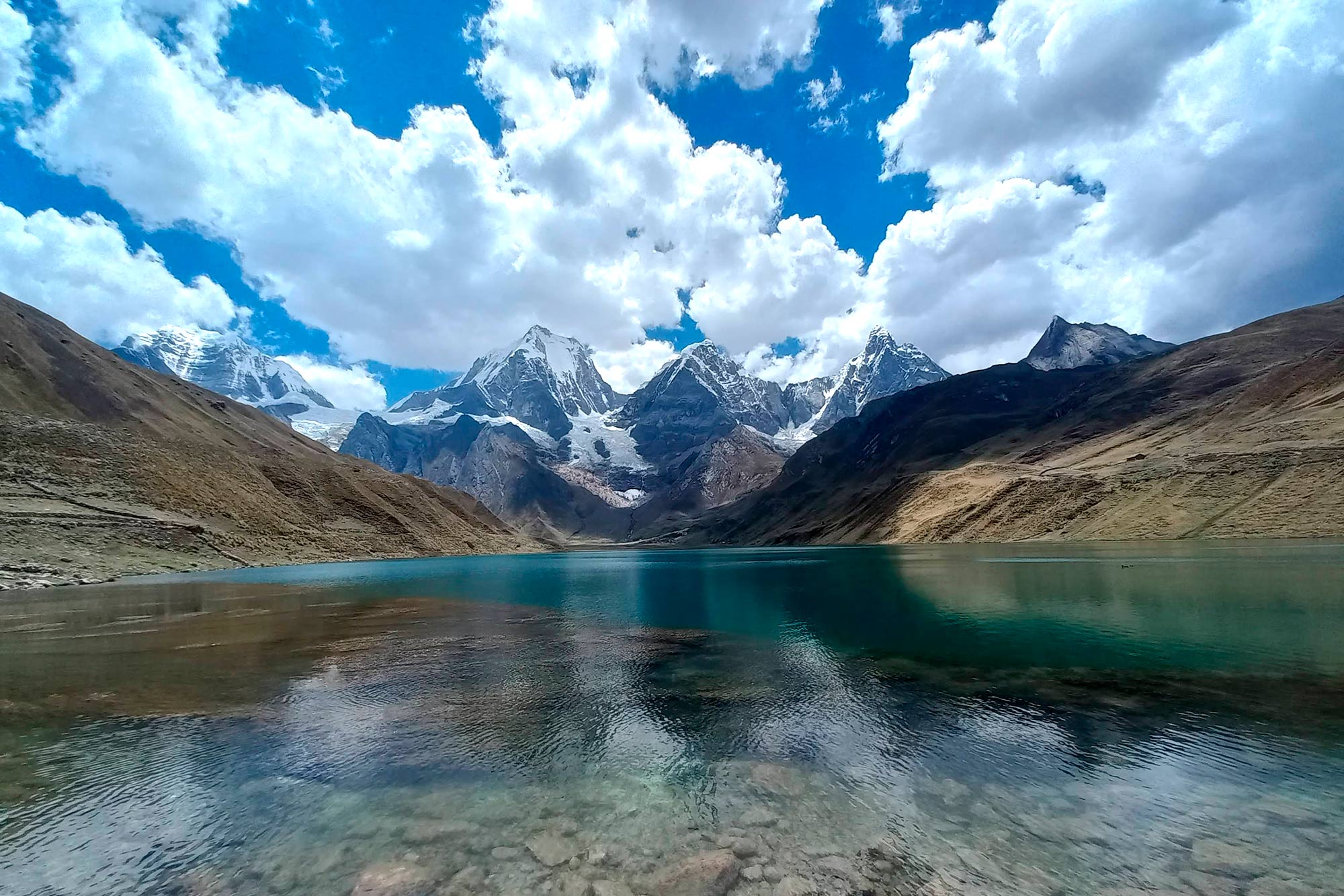
Huandoy – 6,395 m a.s.l.
Huandoy Mountain is a massive glacier located in the Cordillera Blanca. It is one of the most popular destinations within Huascarán National Park, dominating the Llanganuco Valley. Its silhouette is one of the most iconic in Peru, featuring four peaks rising above 6,000 meters.
Feature | Information |
|---|---|
| Location | Yungay Province, Áncash region |
| Mountain range | Cordillera Blanca |
| Protected area | Huascarán National Park |
| Elevation | 6,395 meters above sea level |
| How to get there | From Caraz, access is via road toward the Llanganuco Valley |
| Highlight | It is a glacier formed by four peaks that dominates the landscape of the Llanganuco Valley |
Ausangate – 6,384 m a.s.l.
Ausangate is one of the most important mountains in southern Peru and one of the most revered Apus in Inca times and Andean worldview. Located in the Cordillera Vilcanota, very close to Cusco, it dominates many of the region’s landscapes. Trekking around this snow-capped peak is one of the most popular activities in the country.
Feature | Information |
|---|---|
| Location | Quispicanchis Province, Cusco region |
| Mountain range | Cordillera Vilcanota |
| Protected area | Huascarán National Park |
| Elevation | 6,384 meters above sea level |
| How to get there | From Cusco, travel by road to the province of Ocongate and nearby communities |
| Highlight | It is one of the most important Apus in Andean culture and dominates the landscape of southern Peru |
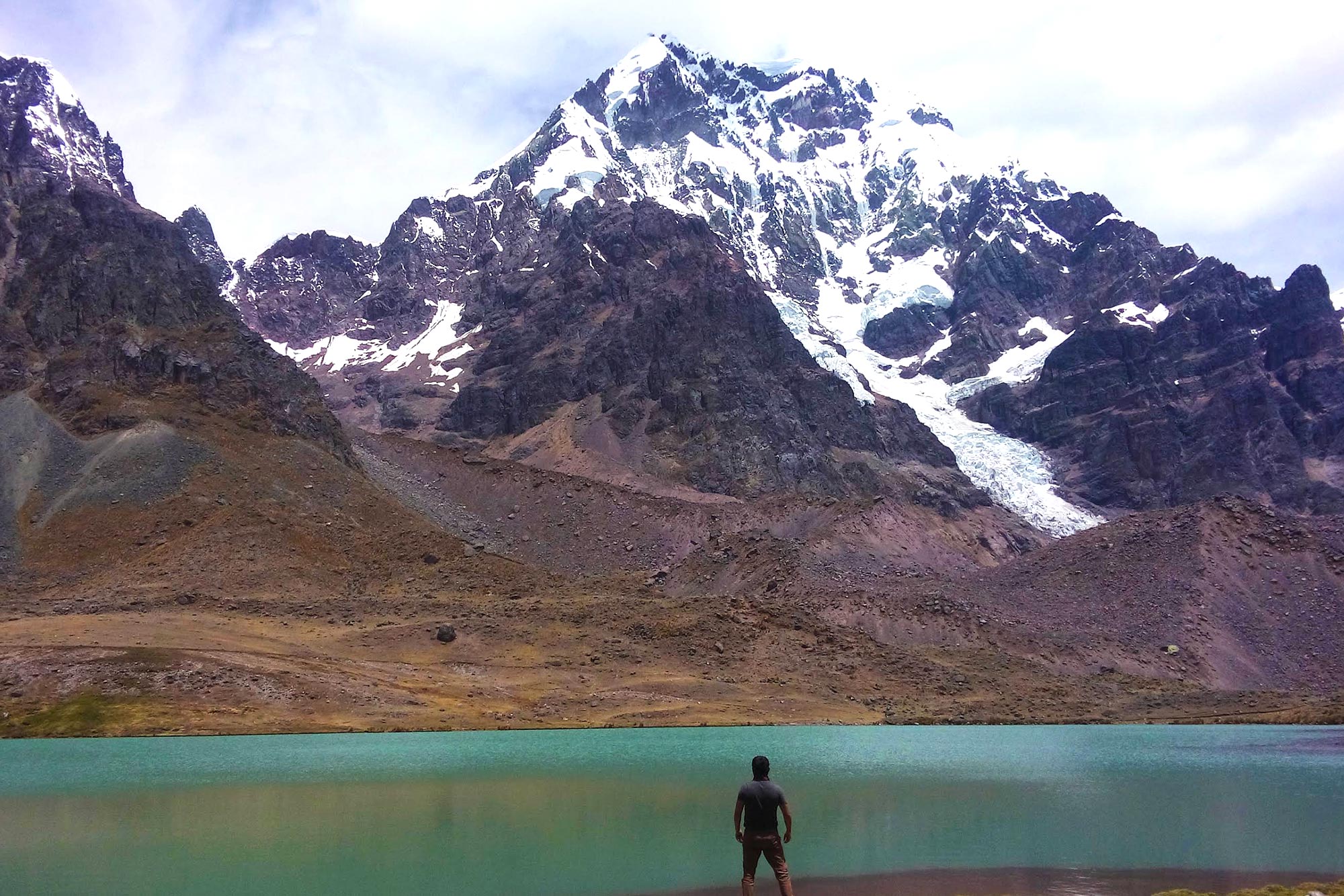
Huantsan – 6,369 m a.s.l.
One of the most impressive mountains in the Cordillera Blanca is Huantsan, widely recognized for its steep ice and rock faces. Located in a remote area, its ascent is also highly challenging due to its snow-covered peaks.
Feature | Information |
|---|---|
| Location | Huaraz Province, Áncash region |
| Mountain range | Cordillera Blanca |
| Protected area | Huascarán National Park |
| Elevation | 6,369 meters above sea level |
| How to get there | From Huaraz, access is by road toward the Rajucolta Valley |
| Highlight | It is known for its steep ice walls, making it one of the most demanding mountains to climb |
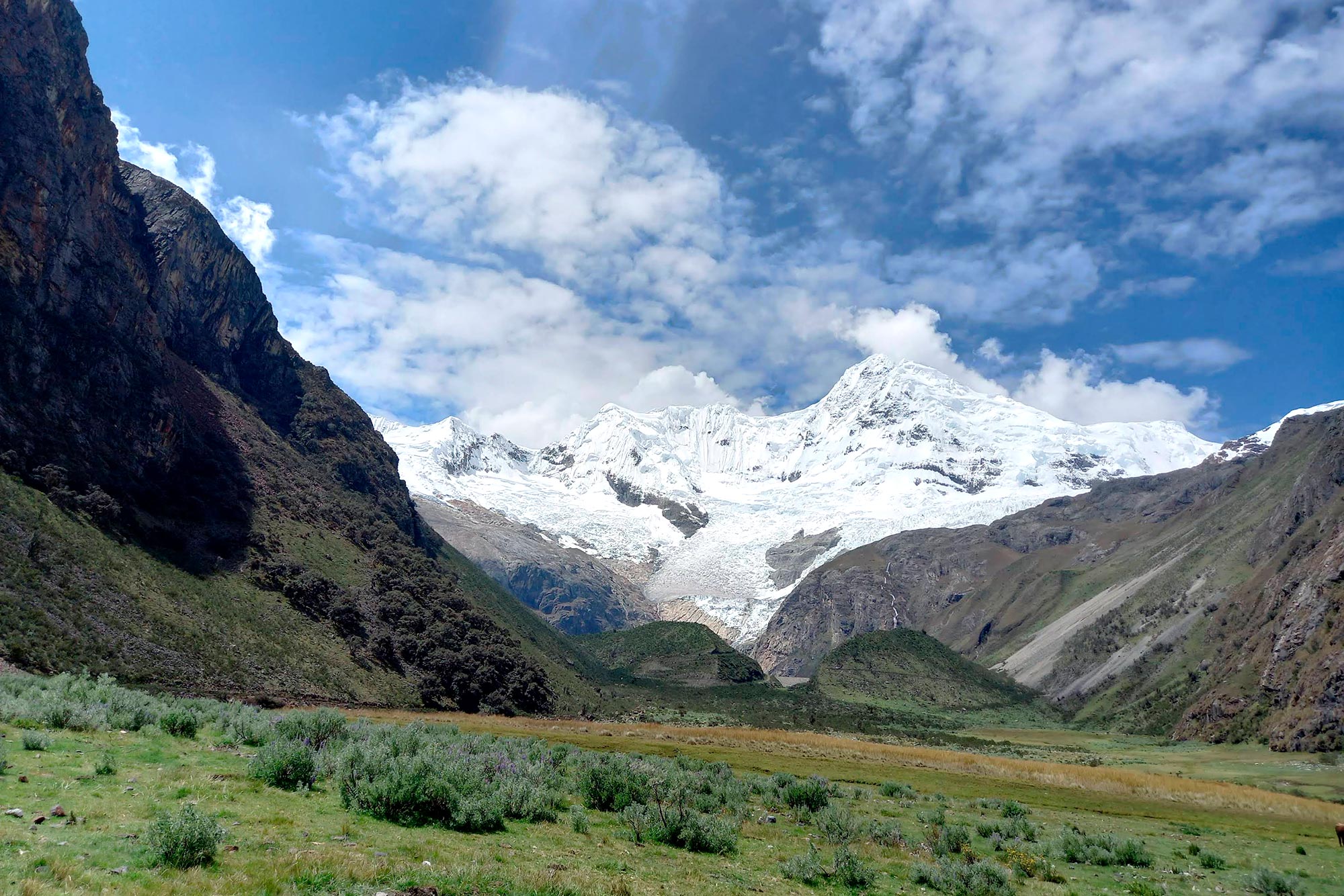
Siula Grande – 6,344 m a.s.l.
Part of the Cordillera Huayhuash, Siula Grande features massive ice walls, emerald lagoons, and pristine nature. It became widely known through the book “Touching the Void” by Joe Simpson, which recounts a survival story experienced with his climbing partner while ascending its summit.
Feature | Information |
|---|---|
| Location | Bolognesi Province, Áncash region |
| Mountain range | Cordillera Huayhuash |
| Protected area | Huascarán National Park |
| Elevation | 6,344 meters above sea level |
| How to get there | The most common access is from Huaraz toward the Cordillera Huayhuash circuit |
| Highlight | It is famous for the survival story told in the book “Touching the Void” |
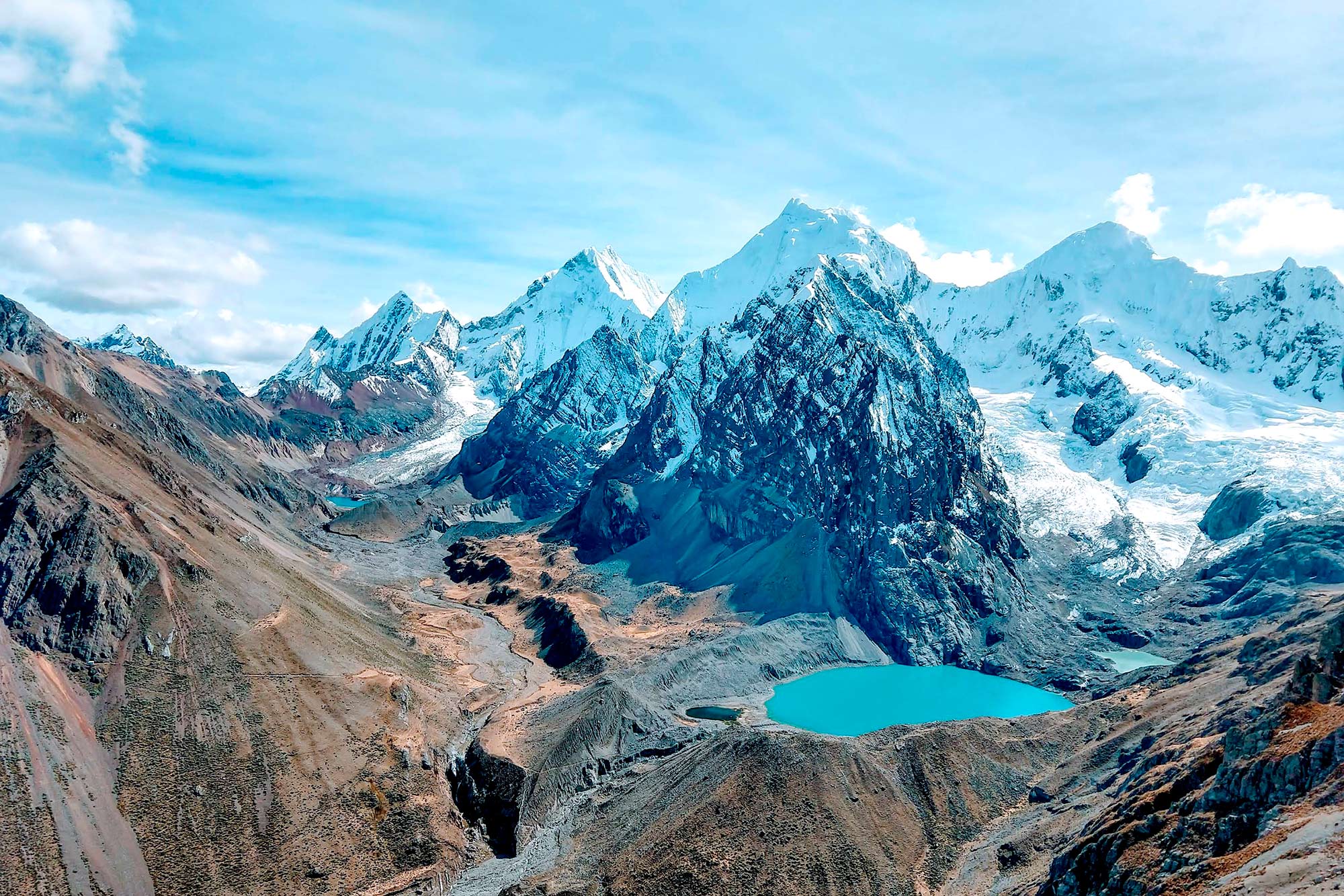
Sacred mountains in the Andean worldview
In the Andean worldview, largely shaped by the Inca legacy, mountains are understood as Apus, or protective spiritual entities. This belief is also closely tied to the idea that ancestors rest on these peaks after death (in Inca times, the dead were buried in caves).
Even today, mountains are still revered and honored for their protective role, safeguarding valleys, settlements, crops, and also bringing prosperity to the surrounding natural environment.
One of the most important mountains in this sense is Ausangate, considered one of the region’s “tutelary” Apus. Its veneration can be seen in the Qoyllur Rit’i pilgrimage, which reflects a blend of Andean and Catholic traditions.
The most important mountains in the Andean worldview The tutelary Apus (most important mountains) in the Andean worldview are Ausangate (6,384 m a.s.l.), Salkantay (6,271 m a.s.l.), and Verónica (5,839 m a.s.l.), all located in the Cusco region. Other highly significant mountains include Chicón, Pumawanka, Sawasiray, and Pitusiray, among many others.
Tips for venturing into mountain exploration
- Exploring the highest mountains in Peru is an extraordinary experience, but it requires proper preparation. Due to the altitude, it is recommended to acclimatize beforehand in nearby towns.
- It is also important to bring appropriate clothing and gear for all types of weather, as conditions at high altitudes can change unpredictably.
- These adventures are best done with a mountain guide, or if you have prior experience, by carefully studying the terrain to avoid any unexpected situations.
- Plan your trip according to the seasonal weather conditions. For example, from April to October is the dry season, when terrain is more stable, the weather is favorable for outdoor adventures, and rainfall is infrequent.
- It is very important to respect the natural and cultural environment of these places, as many of these mountains are part of protected areas and also hold spiritual significance for local communities.
Frequently Asked Questions
- How many mountains over 6,000 meters are there in Peru?
Peru has more than twelve mountains exceeding 6,000 meters in elevation, most of them located in Andean ranges such as the Cordillera Blanca and the Cordillera Huayhuash.
- Where is the highest concentration of tall mountains in Peru?
A large portion of Peru’s highest mountains are located in the Áncash region, especially in the Cordillera Blanca, considered one of the tropical mountain ranges with the greatest number of glaciers in the world.
- Is it possible to visit these mountains as a regular tourist?
Yes, many of these mountains can be admired or explored through short and scenic hiking routes. However, climbing the highest summits requires mountaineering experience and specialized equipment.
- Which mountain is the most culturally important in Cusco?
One of the most significant mountains is Ausangate, considered a Tutelary Apu and a sacred mountain in the Andean worldview.
- What is the best time to visit the mountains in Peru?
The dry season, which generally runs from April to October, offers more stable weather conditions for hiking and expeditions in the Andes.
- Is it necessary to acclimatize before visiting these mountains?
Yes, due to the high altitude of many of these areas, it is recommended to spend at least one or two days in nearby towns before undertaking demanding hikes or excursions. This helps the body adjust better to the altitude.
- What kind of landscapes can be found in these mountains?
Visitors can find glaciers, lagoons, vast valleys, and natural viewpoints of great beauty. Many of these mountains are also part of protected ecosystems with rich biodiversity.
- Do the mountains of Peru have cultural importance?
Yes, in the Andean worldview many mountains are considered Apus, meaning protective spirits that safeguard communities and nature. This spiritual significance remains very important for many local populations.
- Is it recommended to hire a guide to visit these mountains?
For higher-altitude routes or remote areas, it is recommended to visit with specialized guides. They know the routes, terrain conditions, and can provide greater safety during the experience.
- How can I visit these mountains responsibly?
It is always recommended to follow conservation guidelines, avoid leaving waste, and respect the instructions of local communities and protected areas. This helps preserve these ecosystems and their cultural value for future generations.
By Machupicchu Terra – Last updated, April 9, 2026